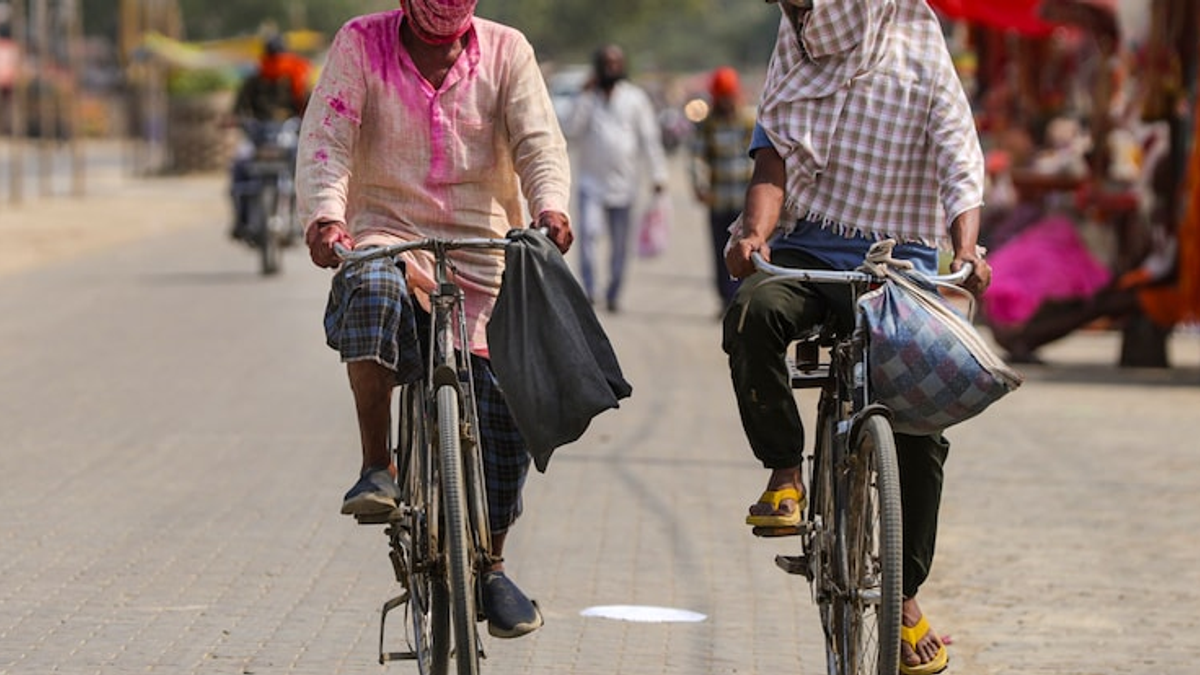
Under a blinding June sun, Minister Ponguleti Srinivas Reddy convened a midnight emergency council at the Secretariat. The room buzzed with urgency. They were all aware of a monster brewing outside: a heatwave that had already claimed lives across seven districts. “The numbers are climbing, and the next three days look even worse,” the meteorologist added, his voice thin with heat. The meeting opened with a simple, hard fact: 16 people, all poor, turned into ashes of sweat.
In Jayashankar Bhupalpally alone, four souls slipped away. Warangal Urban, Karimnagar, and Nizamabad each lost three. The outskirts of Telangana felt the chill of loss: one each in Jogulamba Gadwal, Rangareddy, and Suryapet. Every figure had a name, a family, a story that folded into the state’s own tragedy. The numbers made the heatwave more than an abstract weather warning; they were a beat that skipped in the ear of every resident.
Governments know that a crisis demands swift resolution. The minister instructed district collectors to stay on high alert. “No idling. No delays.” He wanted to make sure that relief actions hit on time. That call to arms became a directive, not a suggestion: cold drinking water wherever the public gathers, ORS packets and buttermilk to be handed out, emergency medical services placed on a 24‑hour standby. The intent was clear—save lives before the heat tips from heatstroke to something irreversible.
Every modern state relies on an alert system. “Broadcast hourly public awareness alerts through mainstream media and social platforms,” the minister ordered, as if to make a storm of information that could reach every ear. This digital siren was paired with practical measures at public spaces. The city of Hyderabad already ran a “Cooling Centers” program, but the sheer number of casualties forced quick expansion. In every district, street vendors began carrying coolers full of salted water, and local clinics set up extra triage stations. Those at the edge of life were still getting trapped, yet the system worked to wrench them from the brink.
Yet heatwaves are not a one‑time glitch. The India Meteorological Department issued a stern warning: conditions would worsen over the next three days, with temperatures climbing well beyond morning norms. The line between survival and death narrows as body fluids vanish. Those who are elderly, children, or suffer from chronic illnesses move from a vulnerable group to a high‑risk category in minutes. The state’s statement made this clear. “Special precautions are advised for vulnerable groups,” they said, but the sheer scale of the problem means that this message will likely be learned the hard way.
Where does this leave Telangana? The financial answer seems simple—₹4 lakh compensation for every family that lost a loved one. But if we’re honest, money won’t bleach the blood‑red memory etched in a grandparent’s face or a teacher’s worried call. The denial of heat‑related tragedies risks a future where officials will be dragged into blame. It also forces urban planners to think beyond temporary relief and move toward cooler streets, shaded parks, and efficient cooling infrastructures. Will the next heatwave be met with improvisation or hard‑wired prevention?
In truth, the real test lies in the sequence of questions the heat of Telangana has already asked: Are we ready to protect our most vulnerable before the temperature climbs? How many more will slip through the cracks while we debate policies? And what will the next emergency council look like when the sun refuses to cool down?