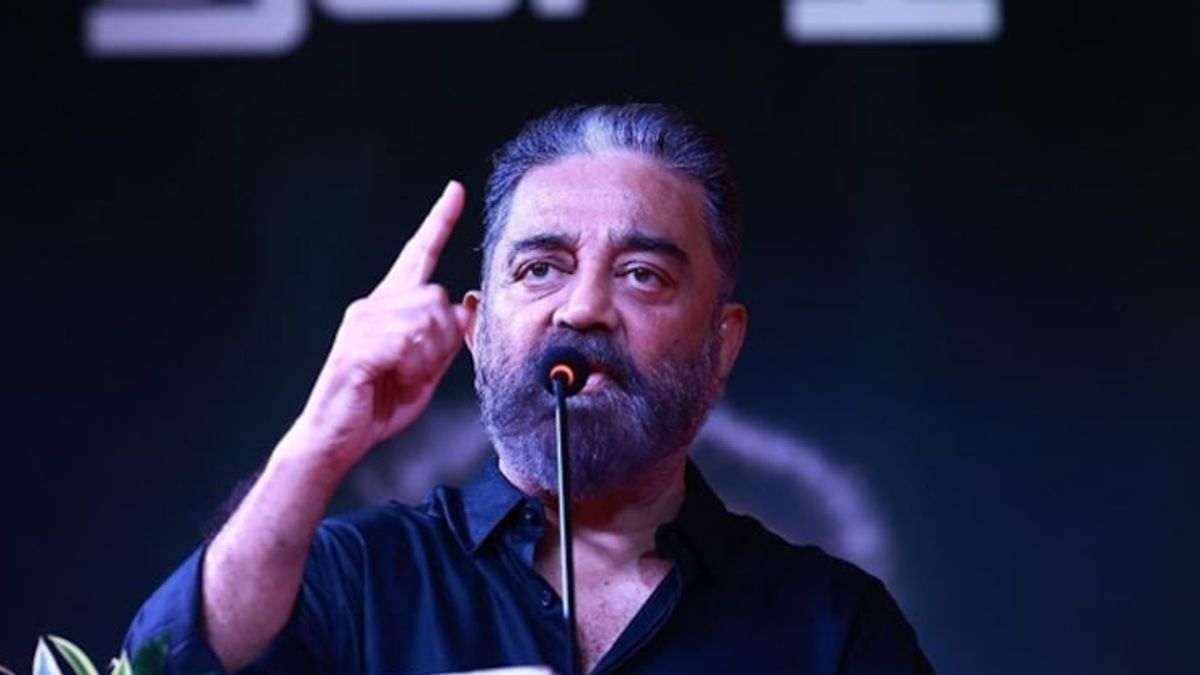
At 10 a.m., a hushed crowd of journalists gathered as Kamal Haasan, the charismatic face of MNM, thrust an unexpected plea onto the national stage. He pointed to his marquee fashion jacket and said, “The common man bears the brunt of this crisis.” The words echoed through the hall like a drumbeat.
The Middle East conflict has rattled oil markets, dragging diesel and petrol prices up by nearly 6 kilos per litre. That spike siphoned spending from households already feeling the squeeze of wages that lag behind. The new surcharge feeds a vicious cycle of inflation that creeps into everything from school lunches to household utilities.
Haasan urged Prime Minister Modi to assemble a summit of chief ministers, calling it “essential”. He proposed cuts to the Value Added Tax on fuels, arguing the tax reaches ordinary people through higher retail prices. He also pushed for slashing fares on trains, metros, and buses, calling transportation a battleground where private car owners outspend the populace at the expense of public resources. “Work together to protect the common man,” he asserted, each syllable a firm note.
Another key point: “Each unit of energy saved today strengthens India tomorrow.” Haasan reshaped his plea into an environmental argument and a call for national duty that must rise above partisan lines. When Prime Minister Modi asked citizens to practice conservation, Haasan linked it to collective strength, keeping the rhetoric crisp and simple.
Yet the message didn't stop at government bureaucrats. He turned the mic to the film industry, noting the “disconnect between spending and purpose.” With the Strait of Hormuz’s closure and Iran’s offensive, production budgets ballooned, as shipping routes elongated and insurance skyrocketed. Haasan charged studios to tighten budgets and reallocate resources, hinting that cinema could lead by example in a times of crisis.
Politically, the ripples will test Modi’s responsiveness. Resisting the call might paint the government as insensitive, while collaboration could signal unity against a cross-border induced blowup. The debate will orbit how fiscal policy, energy supply, and cultural stewardship interlace, shaping paths for ordinary commuters and blockbuster producers alike.
Will the country taste the promised ease a year from now, or will the same commuters shuffle their wallets, filling gaps left by global strife?