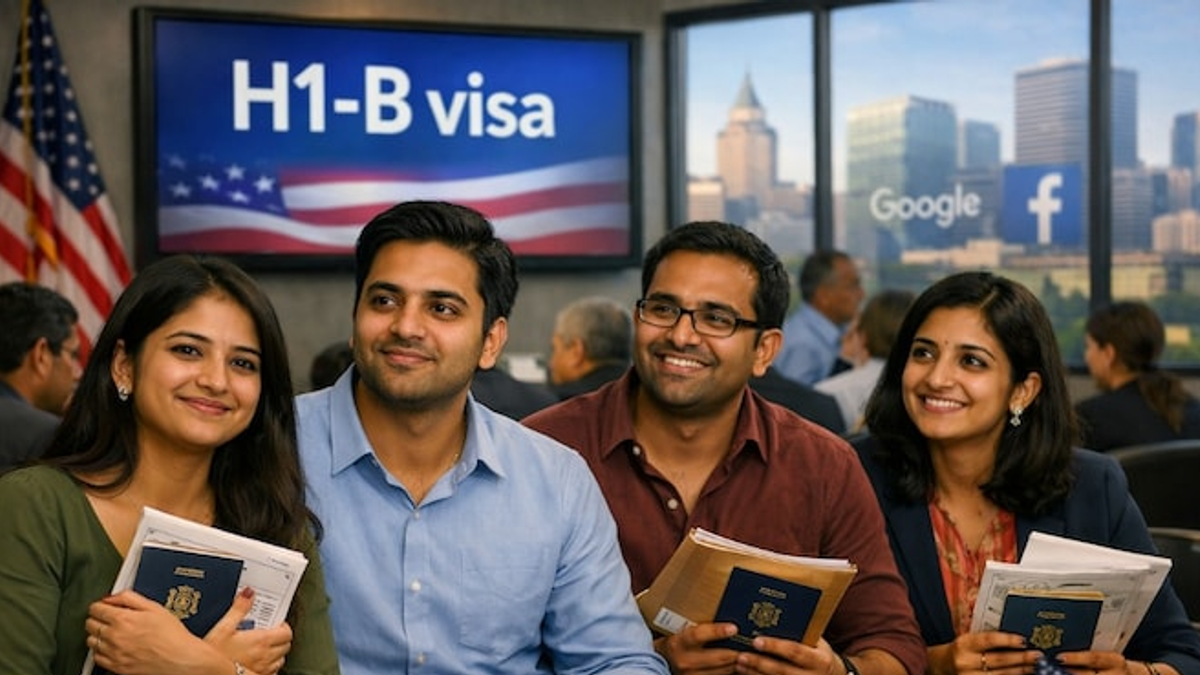
Every inbox clicked. A terse memo swirled through thousands of Gmail accounts in Silicon Valley, proclaiming that the “Adjustment of Status” process would now force most H‑1B holders to leave the country. Panic followed. The message came from the Trump administration, and it sounded as if a nationwide exodus of tech talent was inevitable. But the scene in the parks and coffee shops of Seattle, where developers were already debating green‑card strategies, changed dramatically when USCIS released a clarification.
For a moment, the industry was a chessboard of uncertainty. CTOs and recruiters scrambled for legal counsel, while workers in the Pacific Northwest checked ChatGPT for relief tips. Truth is, the earlier memo had tightened the rules on “Adjustment of Status” by insisting that most applicants would need a consular interview outside the U.S. The policy seemed to lock the doors of the U.S. economy, raising a simple question: Who would survive a forced exit?
USCIS, recognizing the backlash, issued a statement that flipped the narrative. Zach Kahler, a spokesperson, told Newsweek that applicants who can prove their work delivers economic benefit or serves the national interest may continue their application onshore. The key word in the memo—“economic benefit”—replaced the previous blanket requirement. Yet, the message carries a caveat: “Those who do not present a sufficient economic case or national interest may still be asked to apply abroad, depending on individualized circumstances.”
Meanwhile, the tech community, the backbone of the U.S. green‑card queue, is taking the green card spotlight slower and steadier. Many Indian engineers, who have built the backbone of software infrastructure, now face a new decision point: should they gather documents for an onshore file or prepare for an overseas interview that might delay the transition by months? Investment in engineering talent has never been so complex; the rule shift added another layer of legal bureaucracy to navigate.
The implications stretch beyond individual careers. If many see the policy as a loophole, Washington may simply close it, further tightening the brakes on foreign talent. Conversely, a broad exemption could keep the tech pipeline flowing and preserve the nation’s competitive edge. Whichever way the policy folds, the recent clarification shows that the H‑1B debate remains far from settled.
And yet the question remains: will the new policy truly ease the burden on foreign workers, or merely push uncertainties into a legal gray zone?