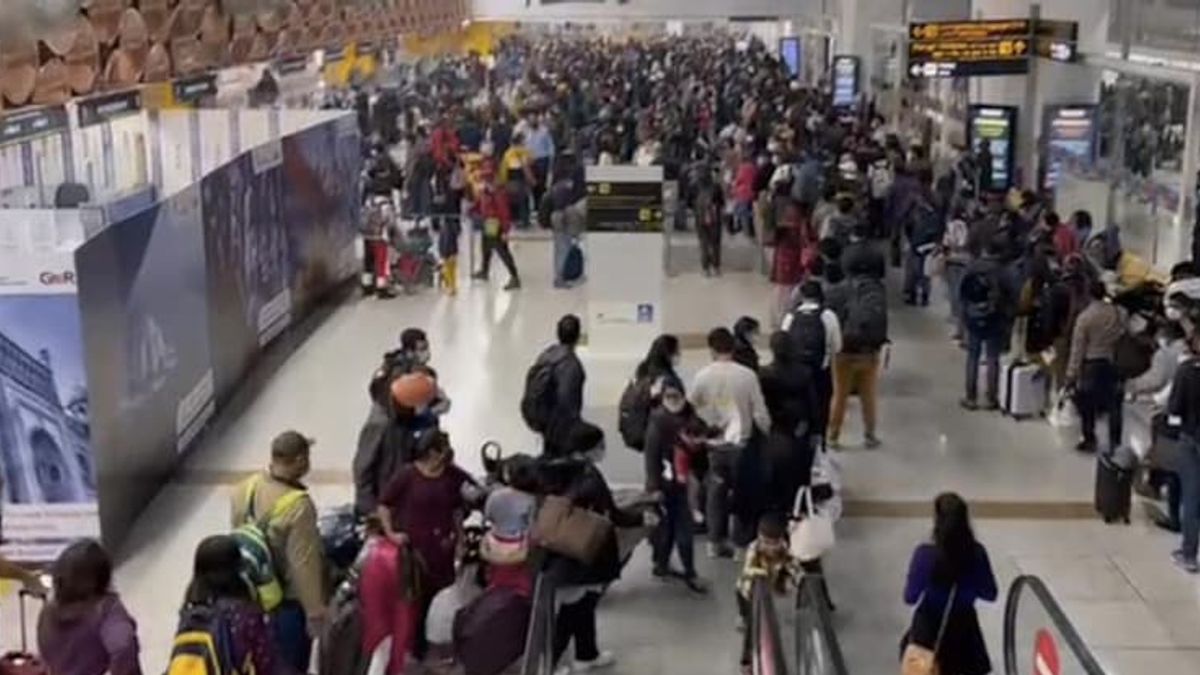
A single yellow sticker on a boarding pass says: “Health declaration required.” Its presence feels more ominous than the buzz of a bustling terminal. It signals that the Directorate General of Civil Aviation has stepped up its game amid fresh Ebola warnings in parts of Africa. The imposition of a new Standard Operating Procedure hits airlines that haul passengers from the Democratic Republic of the Congo and Uganda straight into India.
Truth is, the threat doesn't lie in the cargo hold. It’s in the cabin, where a traveler can unknowingly carry a virus from one nation to the next. The DGCA’s mandate is tactical: it wants airlines to screen, isolate and, if needed, part passengers at zero cost to the passenger. That means forms, fever checks, and a dedicated yellow zone where any suspected case sits while security teams track them.
But here’s the problem. “Passengers can’t stay on a plane w/o showing a health form, because the system learns about symptoms early,” the regulator said. The new SOP slaps several layers on the health protocol: mandatory declaration before boarding, constant monitoring for fever or rash, the right to seal off infected seats and coordinated hand‑off to hospital staff at the gate. Airlines will need new tech, staff training, and extra time per flight. In return, they might see fewer on‑board outbreaks and fewer legal headaches in the future.
Meanwhile, the rules reflect India’s larger public‑health posture. The country has already added that many flights are screened at arrivals, yet this new directive is its first requirement for airlines to act before a passenger even steps on the jet. That pre‑emptive stance tries to keep the virus from ever crossing the threshold into domestic airspace. The regulator’s insistence on early detection is rooted in a national strategy that views flights as potential bridges for disease. Under the new SOP, an unplanned medical emergency could trigger an immediate isolation protocol, preventing the plane from turning into a vector.
And yet, the logistics won’t be painless. Airlines will have to craft space for isolated passengers, train cabin crews to recognize symptoms, and keep records that comfort doctors more than holidaymakers. Some carriers wonder how they'll maintain seamless service when they'll have separate seating for anyone showing a cough or rash. Will the costs hit ticket prices? Will passengers balk at having to fill extra forms? Those will be the next big puzzle for the industry.
Anything else? In a world increasingly anxious about airborne threats, the line between routine travel and a health crisis is shrinking. The new SOP may well be a cue that airlines need to prepare for an era where every boarding pass carries a question of safety as much as a destination.