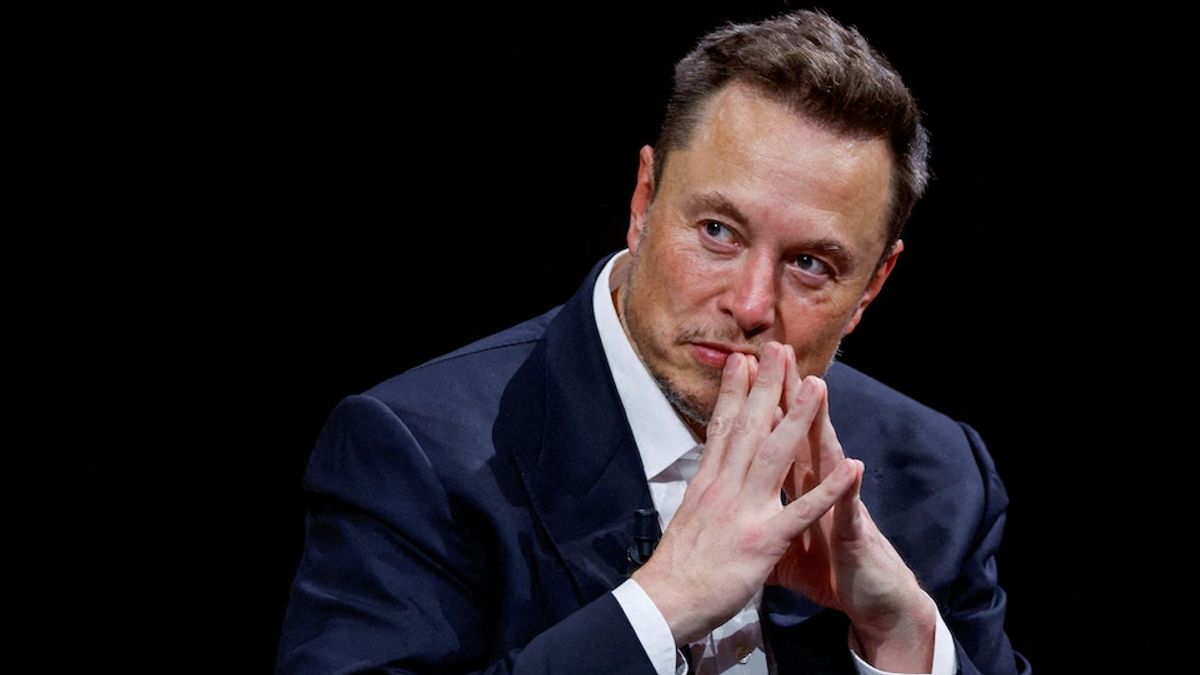
“I didn’t know this would happen,” Musk muttered as the jury’s verdict was read. The courtroom buzzed. It had been a month‑long showdown, a battle that had become more than a legal skirmish; it was a stand‑off over who will shape the next wave of artificial intelligence. And now, after a thin margin, Musk has stepped up front and sees the towers shatter. The loss is a whisper that even the most fearless moguls can falter.
For years, Musk’s brand has been about defying limits. Rockets launching, electric cars breaking patterns, tweets sparking didicussion. Each setback seemed merely a flash in a career built on resilience. That image—of a man who turns failure into fuel—has crumbled just enough to send ripples down the corridors of industry. The suit against OpenAI was not about Tesla or SpaceX. It was about authority in a new domain: the engines that may be steering humanity’s next chapter.
Truth is, the hearing framed a bigger narrative. The question—who owns the future of AI?—was never just about patents or money. It was about trust, accountability, and the kind of power that will shape jobs, governance and even warfare. If AI becomes the new infrastructure, like oil was in the 20th century, control over it will determine the direction of global progress. The court’s decision signals that the battle for dominion has already begun, and Musk’s defeat might be a pivot point.
Meanwhile, OpenAI’s leadership grew calmer. Sam Altman, the company’s chief, announced a pivot toward stricter oversight. “We’re moving forward, not away,” he said, but the courtroom already had the scars of this confrontation. Investors, printers, and policy makers are watching closely. What unknown rules will now govern the next wave of AI breakthroughs, and who will enforce them?
Yet not all is lost for Musk. Tesla’s stock remains buoyant, and SpaceX continues to chase Mars. His lionhearted image, however, has been dented. The press has already worded the story rhapsodically: “A titan humbled.” The loss hints that trust in a single vision is volatile. The same volatility that once shattered rockets now sits at the heart of AI development: a discipline that evolves faster than any single expert can anticipate.
And yet, as the legal paper dries, a new question lingers. If a private shield can’t guard against a technology that’s already permeating life, must corporations go public with their AI labs? Or will we see a regimented system forged by governments and global coalitions? In a world where the stakes are so high, how long can we afford a single voice to guide the future?