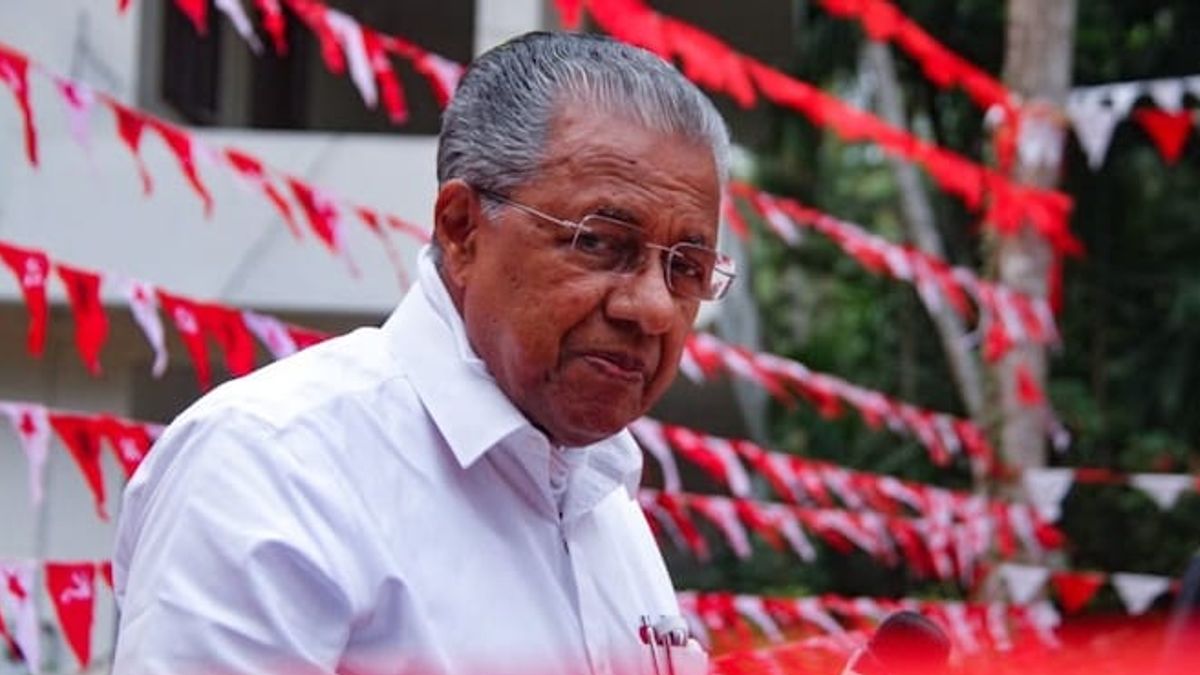
The enforcement unit burst into Pinarayi Vijayan’s home at 6 a.m., a move that caught even the most cautious journalists off guard. The former chief minister’s front door was not the only one that day; ten other sites in Kerala were targeted, according to the official statement. The ED’s fingerprints are all over the house now.
The directive is part of a larger probe into financial irregularities tied to Cochin Minerals and Rutile Limited, better known as CMRL, and Exalogic Solutions Pvt. Ltd. Exalogic is owned by T Veena, Vijayan’s daughter. The companies sit at the heart of a money‑laundering scandal that has rattled the state’s political scene.
Truth is, CMRL manufactures synthetic rutile for industrial use. Allegations say the firm paid Exalogic a staggering ₹1.72 crore between 2017 and 2020. In return, Exalogic allegedly provided no services at all. That gap leaves plenty of room for suspicion and, frankly, outrage.
Meanwhile, the Kerala High Court held its judgment, refusing to halt the ED’s investigation. Its stance meant the probe could continue unhindered, even against a former chief minister who has yet to be named as a direct accused. The court’s decision has amplified pressure, especially from opposition parties who see the case as a political minefield.
But here’s the problem: the public is left wondering how a high‑profile political family could be brushed by the same scandals that ensnared lower‑level officials. The absence of a formal charge against Vijayan does not erase the shadow of doubt, and neither does it silence the questions about integrity at the highest levels.
Still, the consequences spill beyond politics. Pools of corporate money being moved without proper oversight undermine confidence in public institutions. The ED’s raids could set a precedent for how corporate subsidiaries tied to political figures are monitored, and it signals a razor‑sharp focus on financial cleanliness.
And yet, as new documents surface and the legal tug‑of‑war rages on, one thing remains: the tale of CMRL, Exalogic, and a former chief minister turns into a cautionary story about accountability, or perhaps a warning that the machinery can always be turned. Will the investigation unearth deeper web of corruption, or will it simply stop at a single ledger?