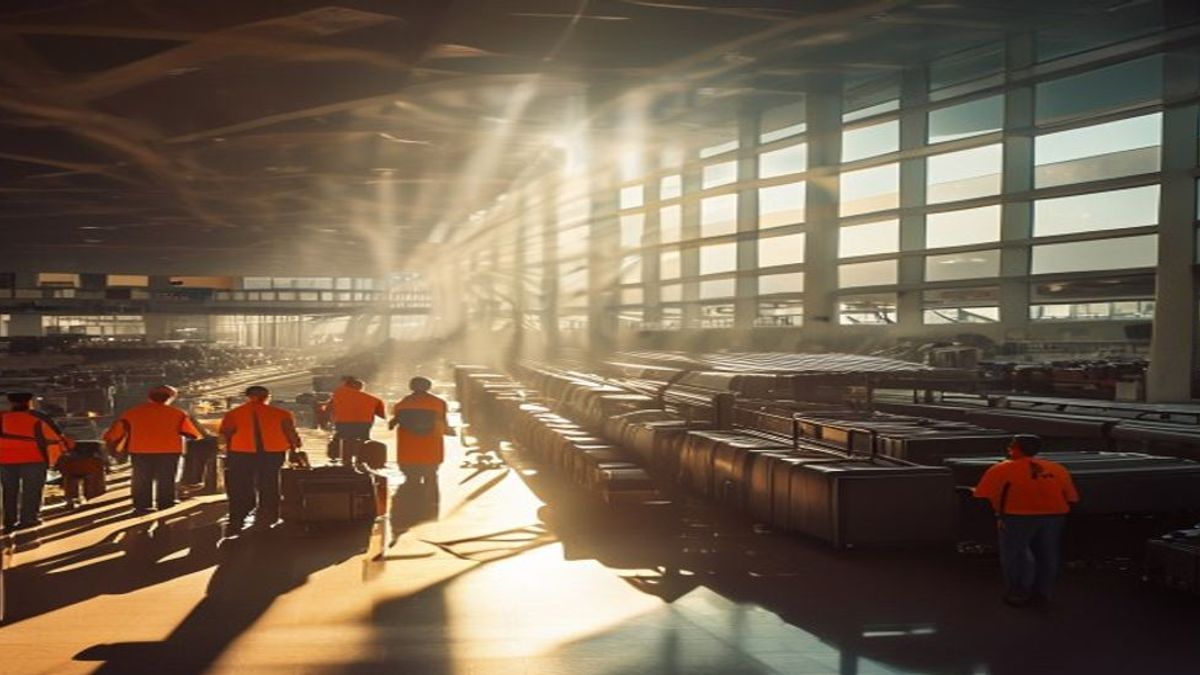
Delta’s conveyor belt roared at 7:32 a.m., a low‑grade alarm that the day’s first wave of flights is lining up for release. The noise is the soundtrack to one of the world’s most complex operations: the airline’s Atlanta hub reels off more than 100,000 bags every day. The ground crew wears loading gloves and stares at screens, while a silent, electric ghost—AI—coils around each luggage tag.
Behind the thrumming bins sits a new system that reads weight, size, and scan codes in real time. Clever algorithms weave luggage through a lattice of chutes, telling each carton where it should be. “It’s like a chess game for everything we can’t see,” said a veteran loader who’d been steering the drive before the tech arrived. The AI dances between the old mechanical arms and the new smart sensors, nudging packages toward less crowded lanes and waving at early‑boarding flights for quicker turns.
But here’s the problem: Delta’s packed its existing baggage architecture with the new software on a tight deadline, like a surgeon threading a nail through boneless bone. The result—a hybrid system that feels more wizard than beast—has a learning curve, and only a handful of hours a week of operators tweaking it. The technology isn’t perfect; occasionally a suitcase takes a detour straight into the wrong carousel, or an entire line of bags—over 3,000 in aggregate—gets queued for a manual recall. Still, the number of mis‑directed bags has dropped by a solid 12% since rollout.
Why does this matter? One tote lost is a gift to the customer; one delay in spotting the wrong carrier can ripple across a sector at peak traffic. Operators report that the burden of temporary repairs has slipped from the ground floor to the cargo bay. The airline credits the software with shaving 45 seconds off average handling time, which in turn shortens layovers and enables faster re‑imaging of baggage scans within the minute‑thy window before departure.
Truth is, an AI that hints at seamless efficiency is still a piece that must be polished. It’s cost‑heavy—Delta invested millions, and the ROI is still being hashed out by accountants who prefer a proven blueprint over a new algorithm. Yet the potential to scale the same technology across all U.S. hubs looms large, as does the surprising partnership with an autonomous route‑optimization startup that could weave similar logic into the city’s freight lanes.
And yet, passengers count on human ingenuity in the place of machinery. Whether a rogue algorithm will replace the instinctual knowledge of a seasoned loader remains a question that hangs on the air‑conditioned walls of the loading dock. The final bell rings for their shift, but the moth held a tiny warning light in the back of its pocket—a reminder that even intelligent machinery must always be checked.
Will our next flight’s luggage follow a similar algorithmic path? The answer may come early next month, lockers loading with data, bags lined up with code, and the world watching a new era of airline logistics unfold in color.