“Pickled in Rum…sinful, ginful, rum‑soaked (women & men), survive for three score years and ten, and some of them, though very few, stay pickled till they’re 92!” Khushwant Singh’s tongue‑in‑cheek riddle still echoes in the club’s corridors, a reminder of an exclusive social ritual that survived colonial rule and the 1947 handover. Yet that ritual now faces its doom.
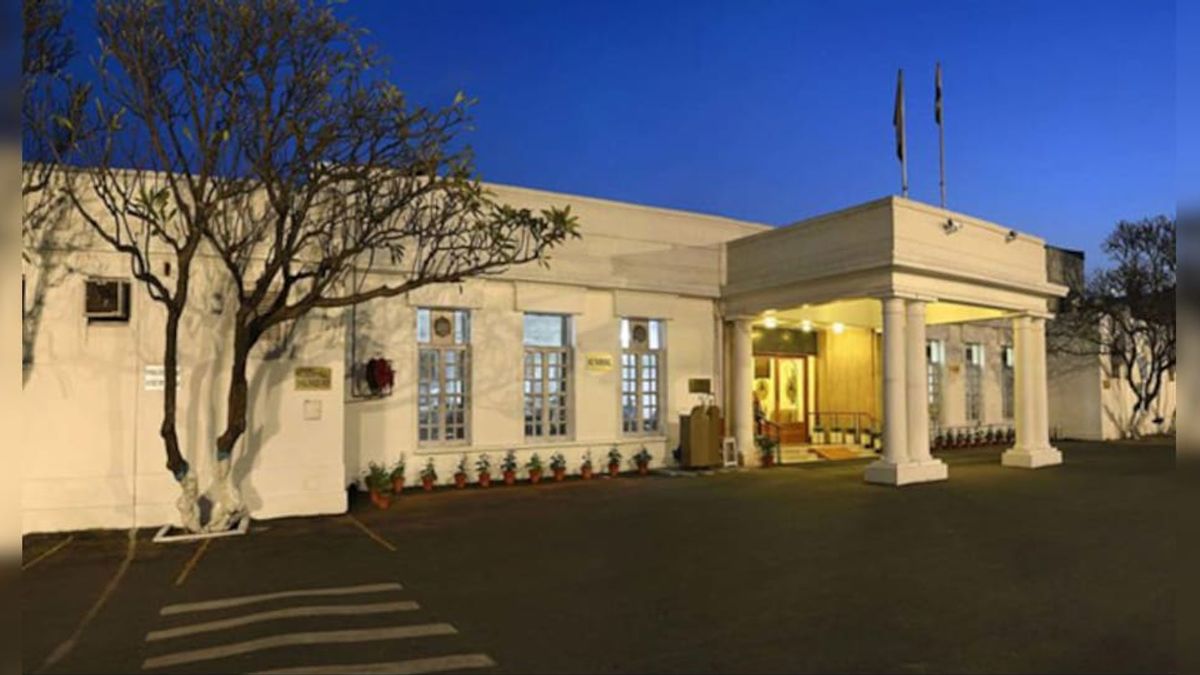
The Delhi Gymkhana Club, founded in 1913 as the “Imperial Delhi Gymkhana Club,” stretched over 27 acres of Safdarjung Road, a grimace of Ashoka trees on either side. Its bricks were laid by British architect Robert Tor Russell, who also shaped Connaught Place and Teen Murti House. More than a sporting venue, it became a status sign—membership meant entry into Delhi’s high society.
A fresh eviction notice from the municipal authority has rattled the institution’s management. The order cites irregularities in land use and the building’s failure to meet updated safety codes. While the club once claimed to house 26 grass tennis courts—the country’s most—it is now asked to give up her sprawling lawns and 43 resident cottages.
Reaction has been swift. Senior members, some who have worn the club’s badge for generations, see the move as a betrayal of heritage. The club’s leaders claim they will fight the decision, but opponents point to possible legal loopholes and the real estate value of the property. Meanwhile, local residents argue that the space could serve a broader community.
The eviction raises questions about Delhi’s postcolonial identity. Does the city still value symbols of power that underscored colonial privilege? Or should it repurpose them for universal access? The community debate mirrors wider urban renewal discussions across India’s capital.
Outside the club’s private walls, the future of the property is hot‑priced. Developers have already expressed interest, eyeing the opportunity to bring luxury apartments or a high‑end hotel to the spot that once reserved entry for a select few. Yet, some argue that the space should become a public park, keeping to the original idea of a club that served the city’s elite—and the city as well.
The outcome will send a strong message about preserving history or trading it for progress. Will Delhi honor its imperial legacy, or will the next chapter rewrite the rules of privilege entirely?