The notice on Friday crackled through Delhi’s elite circles like a warning shot. The Centre slapped the Gymkhana with a jaw‑dropping directive: exit the Lutyens land beside the Prime Minister’s house by June 5 or face eviction.
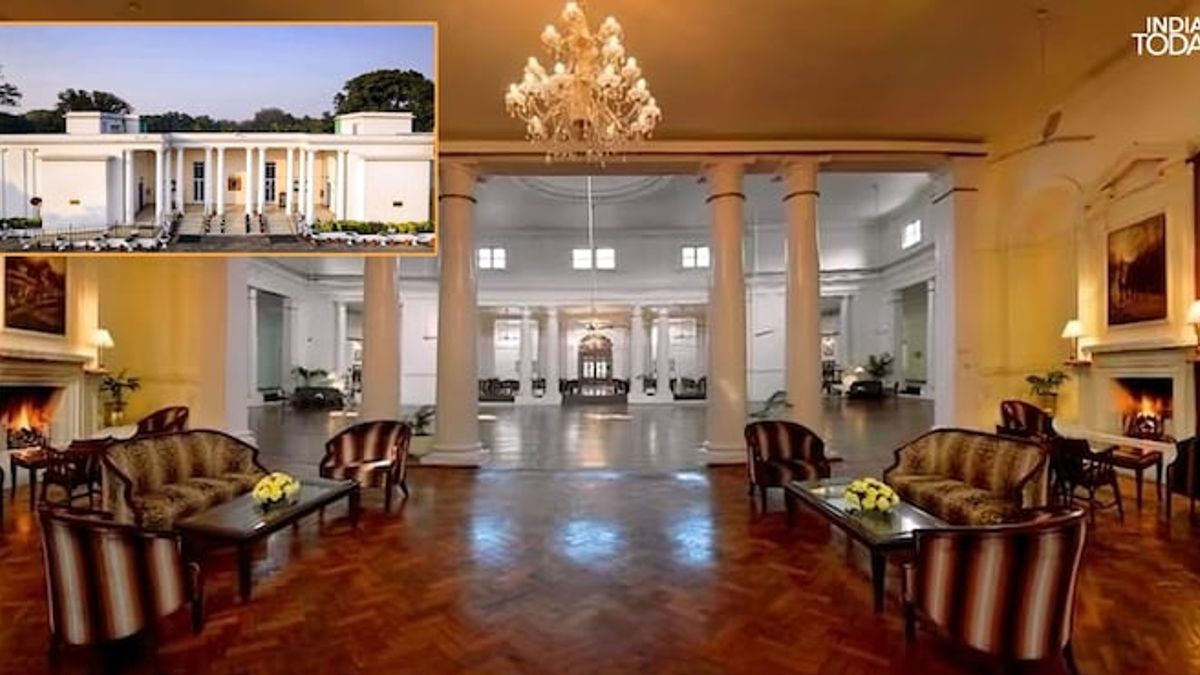
What’s at stake? The Gymkhana sits on a swathe of public property, a stone’s throw from 7 Lok Kalyan Marg. For years, it’s been a stage for the country’s richest, a place where whispers of deals happen over dimming candlelight. That exclusivity was earned at a hefty price: Rs 8.5 lakh deposits locked in for decades, no interest, a waiting list that stretched for twenty to thirty years. It wasn’t just a clubhouse; it was a passport. The government’s move ends the decades‑long battle for who sits on the power‑bench.
Truth is, the drama began in 2021 when civil servants quietly took over the so‑called “bureaucratic takeover.” Since then, “reform” has been a buzzword and legal papers have piled up like cabinets. The NCLAT deadline, which marked an end to the promised overhaul, slipped past. Yet the club’s status quo persisted, kept alive by a network of politicians and business magnates who see value in the name. But here, the Centre’s directive disrupts that equilibrium, insisting that the space serve “urgent institutional needs” for defence and other public projects.
Why did the government persist? The answer lies in Delhi’s fragile land politics. Public areas are a bargaining chip, and a club on costly, centrally located real estate is a temptation. Yet the clash with elite lobbies shows that no amount of prestige deters the state when public interest collides with private ambition. The order, stamped by the Land and Development Office, signals that the government will no longer cede ground to personal gain. The lines drawn are stark: prestige versus public good.
The fallout will ripple beyond just a building. Members, whose long waiting lists might see their dreams deferred, are now confronted with uncertainty. The club’s future is in limbo, and its purpose—whether as a social hub or a strategic asset—remains undecided. In political terms, this is a hard blow to a faction that has historically enjoyed the club’s patronage, potentially reshaping Delhi’s power network.
Meanwhile, the scene outside the club’s doors is a tableau of tension. Staff are scrambling to secure belongings; members clutch their receipts like talismans. The final days are a race against bureaucracy, a flurry of last‑minute legal filings, and the looming question: will any elite vessel survive such a decisive gust of policy?
As the clock ticks toward June 5, the centre's blow echoing across corridors of influence, one cannot help wondering whether the Gymkhana’s legacy will fold into the past, or if its identity will be reborn, repurposed for a new era.