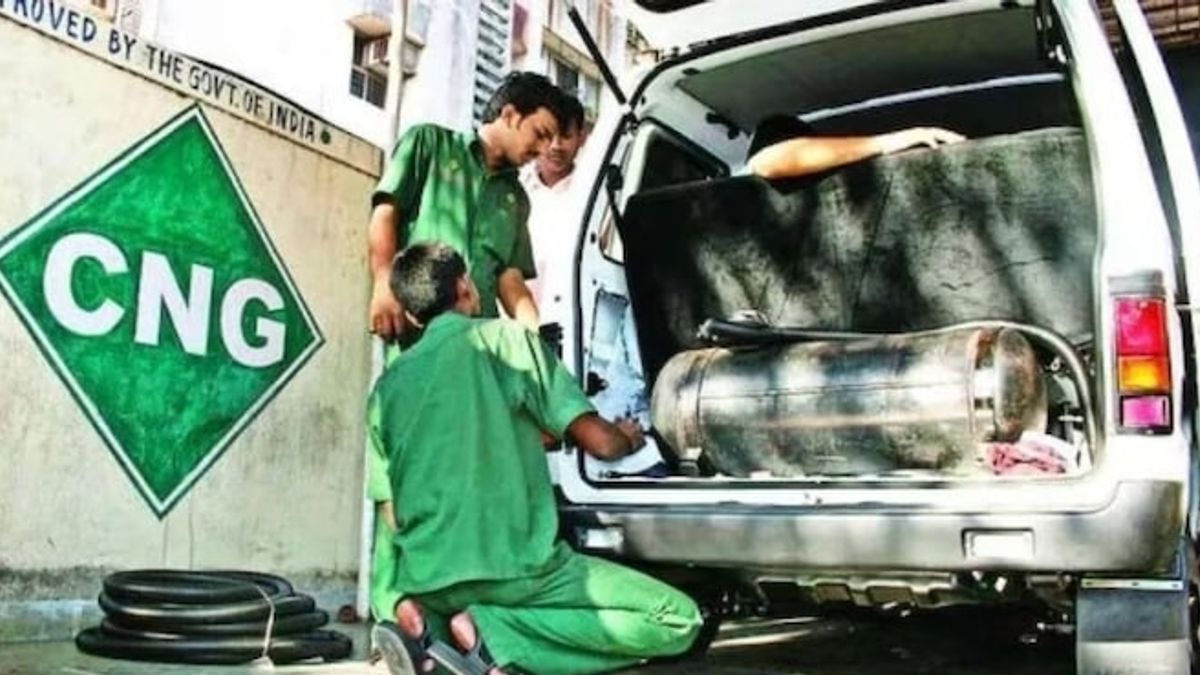
It was a quiet dawn when the city’s CNG pumps flickered to life at the new rate. The authorization by the state’s fuel regulator came in a timely packet of revised tariffs, marking the third adjustment in less than two weeks. The price now sits at Rs 83.09 per kilogram, an increase that forces riders of auto‑rickshaws, tempos and city buses to stretch their budgets a bit further. The moment the new tariff became effective, a murmur rippled through Delhi’s thousand‑plus bus stands.
Just 11 days earlier, the state had lifted the price by Rs 2 on May 15, followed by an additional Rs 1 hike on Saturday. Those three swings stack up to a cumulative rise of Rs 5 per kilogram from the baseline set on the 15th. The quick turnaround suggests that policymakers are more reactive than proactive, pushing adjustments in leap‑frog fashion as the global market waxes and wanes. Investors privy to inland energy corridors likely felt the tremors first; their nerves match the market’s volatility.
While Delhi’s fare keeps climbing, the surrounding hubs are not spared. Noida, Greater Noida and Ghaziabad now see CNG at Rs 88.70 per kilogram. Mumbai’s meters flash a price of Rs 84, echoing the same upward drift that Delhi now bears. Across the nation, the pattern is unmistakable—a ripple effect rooted in a shifting macroeconomics of energy supply. Yet, the narrative for households at home remains oddly stagnant; the price of piped natural gas to residences and domestic LPG cylinders rings unchanged.
What does the refusal to raise those domestic rates mean? It paints a picture where the rail of public transportation and regulated home usage diverge sharply. The city’s auto‑rickshaw drivers feel the pinch of higher fuel costs, while a suburb’s average family enjoys a price wall that does not dent their grocery budget. The public sector, therefore, adopts a subtle inequity: the ones who depend daily on cheap fuels bear the brunt, the starved markets trying to survive on constrained margins.
Under the surface, the swell ties tightly to global oil markets. Oil marketing firms grow winded, their profits fluttered by surging crude prices in the international bourse. Alongside, intelligence reports fuel fears of a blockage at the Strait of Hormuz, a choke point that could trigger a new series of price surges. In a political economy that spins on contracts and contracts, officials point to this surge as price parity with the world.
For most commuters, the price hike translates into an incremental pinch. Yet it is more than that: it nudges the entire value chain of the city. The transport sector’s operating costs jump; small businesses that rely on delivery trucks see their overhead creep up; consumers left to weigh their choices between CNG and other fuels. The new cost structure will cast a shadow over future investment decisions in transit --- **Support Pollinations.AI:** --- 🌸 **Ad** 🌸 Powered by Pollinations.AI free text APIs. [Support our mission](https://pollinations.ai/redirect/kofi) to keep AI accessible for everyone.