At 6 a.m., the Delhi Gymkhana Club’s front gate creaked open, just enough for a hushed wind of disbelief to sweep past the polished mahogany desks. Employees who have moved in and out of the colonial clubhouse over the last few decades were met with a sheet of paper, not a congratulatory flyer. The government’s May 22 order said the 27‑acre campus fell inside a “highly sensitive and strategic zone” and must be redeveloped for “urgent institutional and governance‑related needs.”
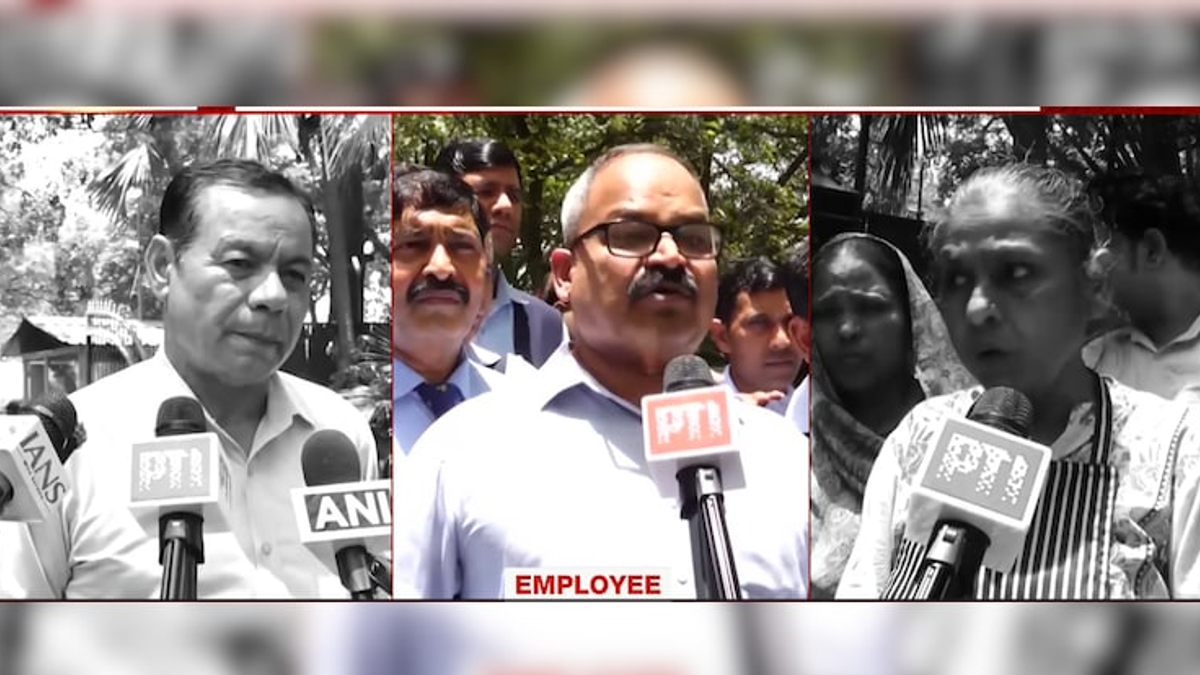
Union chief Nandan Negi could not hide the tremor in his voice when he posted the news online. “Employees have been calling continuously… asking where they will go. As soon as we got the news, staff were in shock… ‘what will happen to our families’?” he wrote. The text is not just rhetoric. Over 500 staff members, many of whom have herded over a thousand members of privileged Delhi society since 1913, are now caught in a bureaucratic storm. Eleven years after post‑partition renaming, the Imperial moniker slipped, but the club kept its position in the heart of the capital. It’s home to more than 5,600 members, yet piles of shoes outside the gate hold stories of dedicated workers, some freshening up the oak tables for 35 years, others greeting breakfast lunches for three decades.
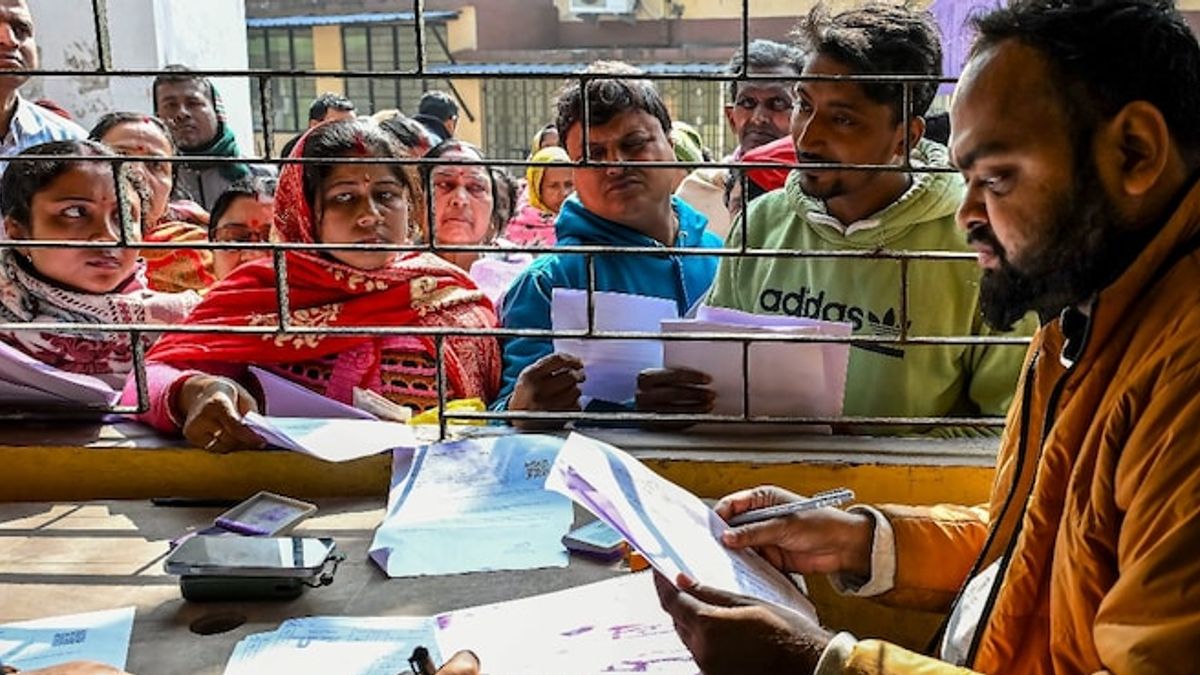
When the notice was delivered, several workers gathered at the club’s courtyard. One, a cleaner who has worked here for fifteen years, whispered, “We don’t know how we will support our families.” Another, a maintenance supervisor of twenty years, pressed his palm to the paper. “They only came and told us the club will be shut down on June 5… we have been working here for the past 35‑40 years.” Their homes sit in nearby slums and housing colonies, and many depend on edge‑lifting wages. Nothing in the official notice explained when the staff would be rehired elsewhere or offered severance, a shortfall that looms over a community that has spent its career rallying beneath a flag of colonial-era swaths.
Heads of the Department of Land and Development—under the High Court—issued the comet‑like decree. The government frames the claim as a question of national security, an urgent need for future “institutional” projects. True, the site is near key administrative buildings, yet the balance of that urgency against a community’s livelihood raises more questions. The club’s existence traces back to a time when the British built clubs as elite enclaves; today it is a living heritage that could be preserved, re‑purposed, or simply sold. The deletion of a single structure could erase living memories, tenders that grew in the club’s shade.
Senator Richard Allen, who has lost his father from a college district affected by gentrification, comments, “When heritage is used as a cloak for policy, it becomes an invisible cruelty.” Delhi’s policy‑makers face the short‑term mileage payoff of a new institution: social infrastructure in critical need? And the future of staff on unpaid contracts remains uncertain. The off‑balance‑sheet cost to Delhi’s residents could be far more than the brick‑and‑mortar value of the estate. What does the second half of politics look like when a hundred memories are traded for bricks and power cables? The question lingers in the damp air by the club’s fountain, even as the government watches, silent, the land’s next construction is plotted.