May 22 saw a shrill email from the Land & Development Office to the Delhi Gymkhana Club, telling it to vacate 2 Safdarjung Road by June 5. The notice invoked Clause 4 of the original lease, claiming the land was for a “public purpose”. The government says it wants the stretch for defence and security upgrades, right beside the Prime Minister’s residence.
Three days later, the club’s legal team returned to the top floor of the Delhi High Court. Senior Advocate Abhishek Manu Singhvi approached Justice Avneesh Jhingan, demanding an emergency hearing. A judge, weary after a day of casework, nodded and set May 26 for a full session.
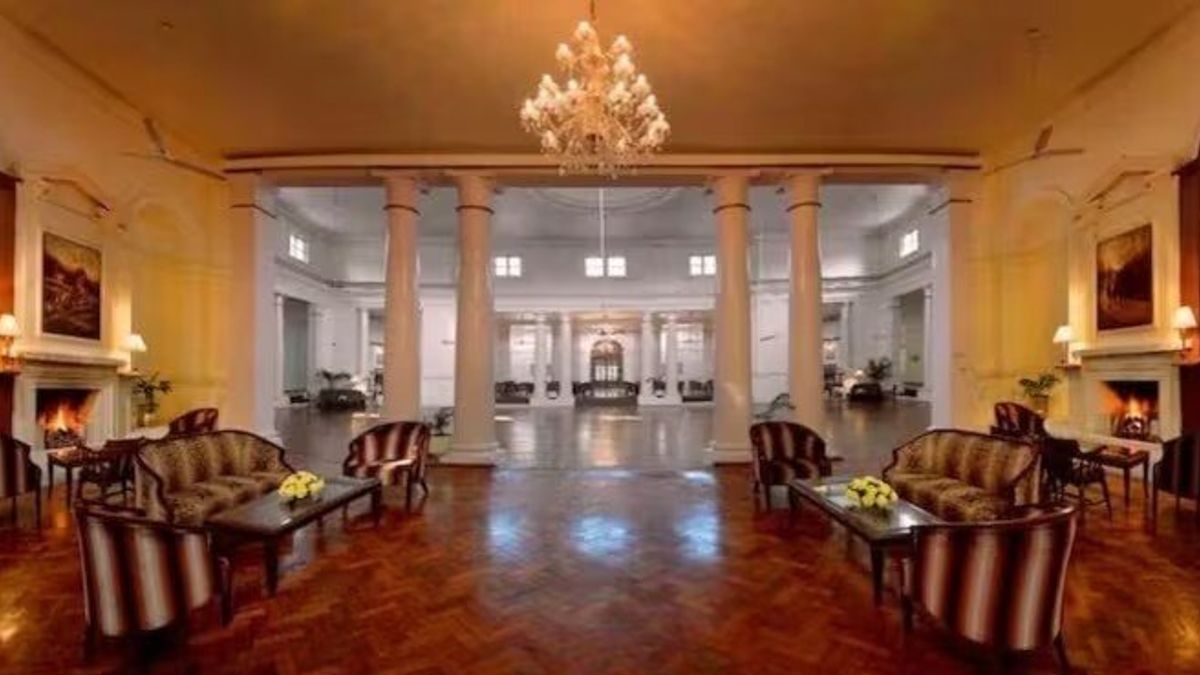
The battle has simmered for months. The club, a staple of elite Delhi society, occupies a 27.3‑acre lawn that hosts polo matches and yachting races. Its members claim a long, preserved lease, earned from the British era. Men and women in powdered wigs no longer speak law; they speak tradition. Yet the bureaucracy, churning for newer projects, toes the line of a government law that says: if the land is needed for public safety, the lease dissolves.
Here’s the crux. The Land & Development Office points to Lutyens Delhi’s strategic importance. When a prime minister’s jet lands, a sprawling lawn next door is an open field of potential risk. The order covers tightening “defence infrastructure and governance‑related facilities”. The club argues the lease is not a piece of paper but a living cultural asset. What happens when legalese fights tradition?
Meanwhile, the city’s elite watch from their private clubs, gossiping, or perhaps sending telegrams home for parents. They wonder how the loss of the Gymkhana’s green could ripple through Delhi’s social calendar. Would the city’s polo fixtures remain staged? Would the club’s centuries‑old rules survive a new mandate? The High Court’s decision could set a precedent for other heritage sites caught in the modernity rush.
The judge will not rush to a verdict. The courtroom will refresh the case with more evidence, give the club a chance to present its counter‑arguments, and ask the bureaucrats to point to a specific public duty that justifies eviction. Only then can the Court weigh the balance between national interest and colonial legacy.
The story is still dead‑locking. Will the club endure the drain on peace, or will Delhi fit the Taylor‑Made defense need? The High Court’s verdict is staring us down on May 26.