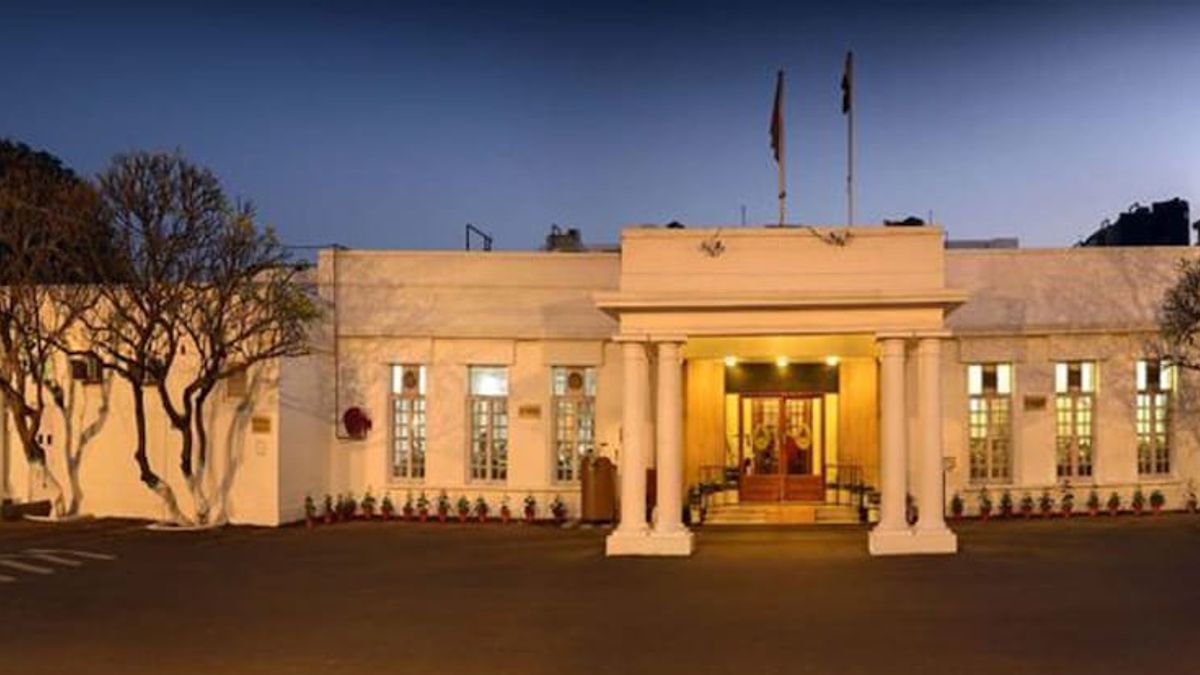
A stern letter stamped the club’s office on a crisp April morning. It came from the Ministry of Housing and Urban Affairs, demanding that Delhi Gymkhana surrender its grounds for the strengthening of defence infrastructure and essential public security measures.
Truth is, the request takes the club's 113‑year stake in New Delhi’s social scene by surprise. The letter paints the site as a priority for national security—an odd match for a venue that has hosted generations of athletes, dignitaries and holidaymakers.
But here's the problem. The club’s Governing Council swore together at 10 a.m. that day, held an emergency meeting, and set a motion to reply immediately. No one could imagine missing the chance to bring the discussion to a higher level.
And yet the council still has a number of questions. They want a clear breakdown of what exactly the government needs and why the club must relinquish its hold on the land. Some members called for a meeting with senior officials to press for clear answers and safeguards.
Meanwhile, the Secretary’s Office texted the governing body, signed by Officiating Secretary Rajesh Bhatnagar, that the club's top priority is maintaining uninterrupted service. The note highlighted the risk to thousands of members and staff if the club’s operations were thrown into disarray.
Until recently, Delhi Gymkhana was the scene of elite social events, polo matches and diplomatic dinners. It has carved a niche as a treasured institution in the heart of the capital, licensing a sense of continuity that goes back to its inception in the late 19th century.
How will the club react when the government insists that its life depends on the premises?