“We’ll follow the law, not bail the police out at dawn,” the centre said to the Delhi High Court Tuesday, a statement that barely soothed the club’s loyal members. The promised timeline—step‑off by June 5—marks the first concrete date in a protracted tussle over the landmark club that sits on Lutyens’ plinth.
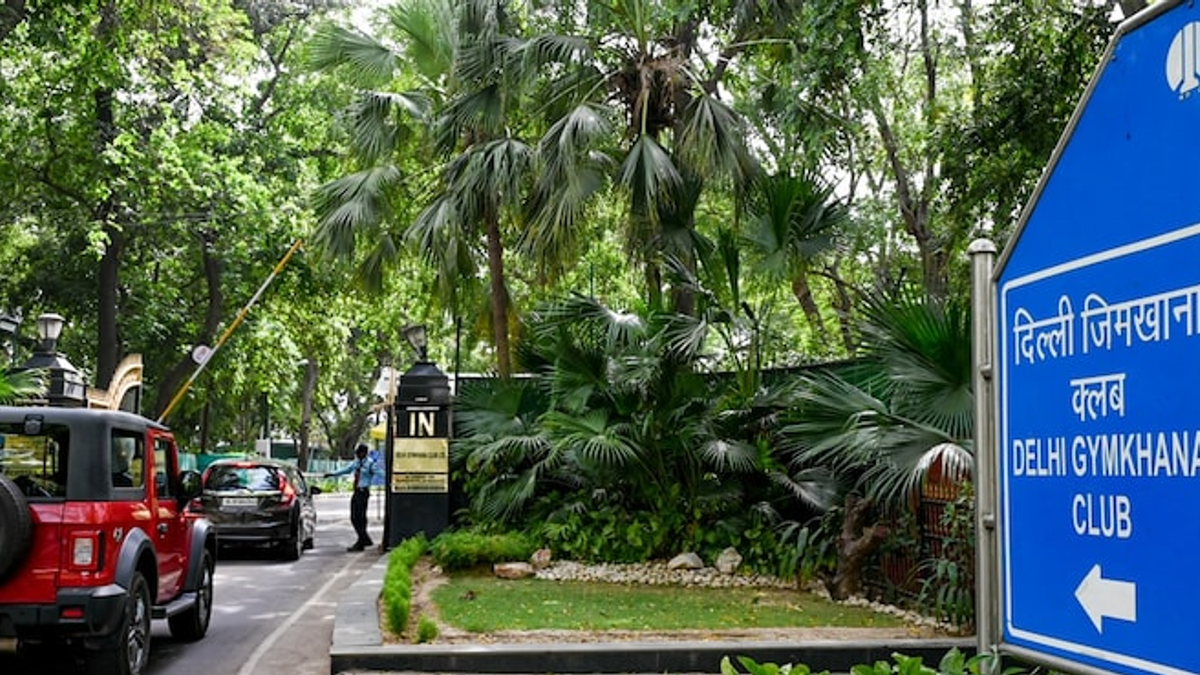
For years, Delhi’s elite have gathered in the sprawling lawns of the Delhi Gymkhana Club, a symbol of the city’s colonial past and ongoing power plays. The government’s claim that the club illegally occupies land granted to the Army dates back to a 1945 directive, but the club insists the transfer was a generous gift for the city’s social life. Both sides have dug their heels in, with lawyers and politicians adding fuel to the fire.
Officials say they won’t force a walkout on Saturday; official action will come if the club remains after the deadline. That sentence, plain yet powerful, underscores a key point: the government wants to show it’s acting responsibly, not rushing in. Truth is, the dispute has the hallmarks of a constitutional battle—government agency versus private institution—on the framework of land use in India’s capital.
The object of the suit is more than just a piece of turf. Delhi Gymkhana isn’t a mere clubhouse; it’s a social hub that commands high fees and hosts business deals that whisper into the corridors of power. A forced eviction could send shock waves through the city’s nightlife and the corporate world that rely on the club as a networking spine. Meanwhile, the government’s push for a clean transfer could boost its credibility on land reforms, after years of stalled campaigns.
But here’s the problem. The club’s members have rallied around a narrative of tradition and privilege, and their legal team has already filed counter‑memoranda. The High Court, a court that once held guns in the hands of the justice system, now sits poised to decide whether the club can cling to the property. The pendulum swings between heritage and rule of law, leaving the city's elite watching each argument like a theatrical climax.
Political analysts argue that the case might become a touchstone for future disputes over public space in urban India. On one hand, a verdict that favors the government could reinforce a strict adherence to statutory land titles. On the other, a ruling that side the club may embolden private clubs to cling hard to public ground, setting precedents in a very hopeful sense.
As the June deadline looms, the Constitution’s silence on when to hand over contested land offers room for both sides to occupy their own corners of the argument. The centre warned that it would act within the law, a short line that may or may not change the strategic game in Delhi’s courts. Yet the message is clear: the government is not tripping up to mid‑night high‑speed, but waiting in line for the rule book first. The question now is whether the law can stay calm when the stakes are that high.