On a brisk Tuesday, the Delhi High Court’s vaulted halls filled with a low murmur as the Centre for Housing and Urban Affairs declined to confirm a police takeover on the scheduled June 5. “No action can be taken on June 5,” Tushar Mehta said, shaking his head. The words slipped into the room like a quiet warning.
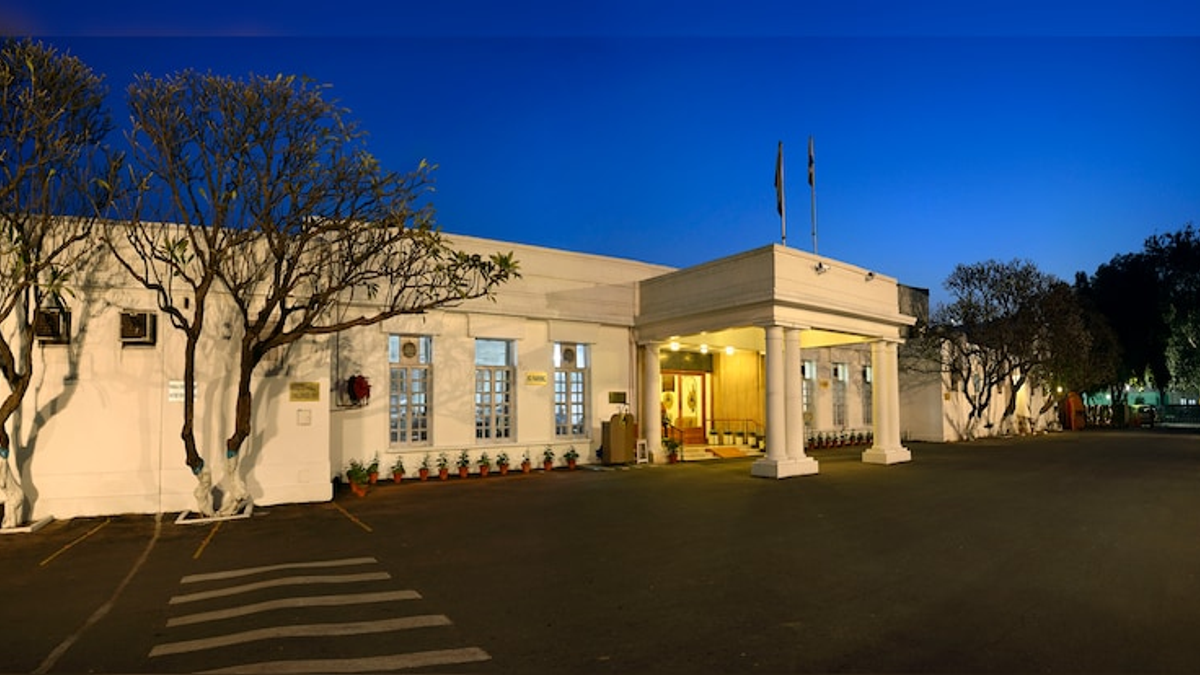
The Delhi Gymkhana Club, rooted in a colonial palazzo on a sprawling 27.3‑acre slice of Lutyen’s Delhi, has long been a breeding ground for the city’s civic elite. Prestigious members, midnight parties, and secretive lodge rituals made it a fixture of the capital’s social fabric. Yet, beside its grandeur lurks a legal crux: a lease clause that gives the government a “public purpose” override.
The state issued an eviction notice last week, demanding that the club vacate by June 5. It claims the land is earmarked for urgent governmental needs—defence‑related infrastructure, governance buildings, and a host of public interest projects. The Land and Development Office saw the area as a vital node for future expansions, citing the need to bolster national security complexes.
While the centre’s legal team insists the police will not rush in, they outline a procedural path that includes another notice to the club. Mehta remarked, “We will give notice; we may offer alternate accommodation.” The club, meanwhile, has filed a suit, accusing the government of abusing the clause and eroding heritage.
The clash paints a sharp picture of Delhi’s ongoing tug‑of‑war between heritage and development. Across the capital, old palaces and colonial offices jostle with new high‑rise towers, each demanding prime real estate. The Gymkhana’s case could tilt the scales, signalling either a green light for future evictions or a protective stance for historic sites.
As the court listens, others watch from their desks and balconies, wondering how the High Court will weigh past lore against present necessity. Will the inscription of a lease clause override centuries of tradition? The answers lie in the coming days, and the courtroom will soon decide whether the final chapter is about preservation or progress.