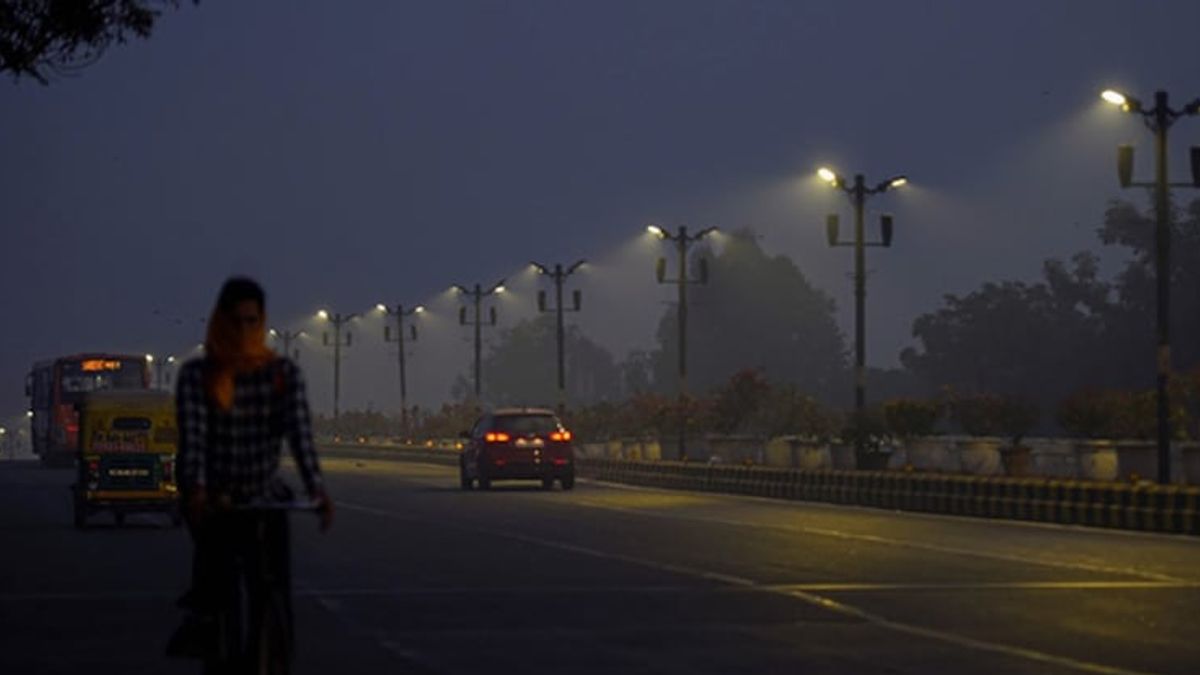
The noon spike at Safdarjung ticked up to 43.5 °C. A single number, but the city felt its bite as the air thickened, turning every corner of Delhi into a simmering pot.
By nightfall, the thermometer stayed stubborn at 32.4 °C. That’s 5.7 degrees above what we’d expect, a figure that has no counterpart in May for almost a quarter of a century.
Palam chased the record, snapping a 44 °C high, while Lodhi Road trailed at 43.2 °C. Ridge perched at 44.3 °C, barely higher, with Ayanagar touching 44 °C as well. These figures paint a picture of an even‑temperature storm that covers the capital from north to south.
Storms loom: light rain might flash, wind could surge to 70 km/h, and dust whirls promise to cling to every surface. Citizens already brace for a mix of heat, moisture, and dusty winds that could turn the city into a breathing furnace.
Heat this level presses hard on commuters, power grids, and hospitals. As sweat mixes with the city’s exhaust, people seek shade,