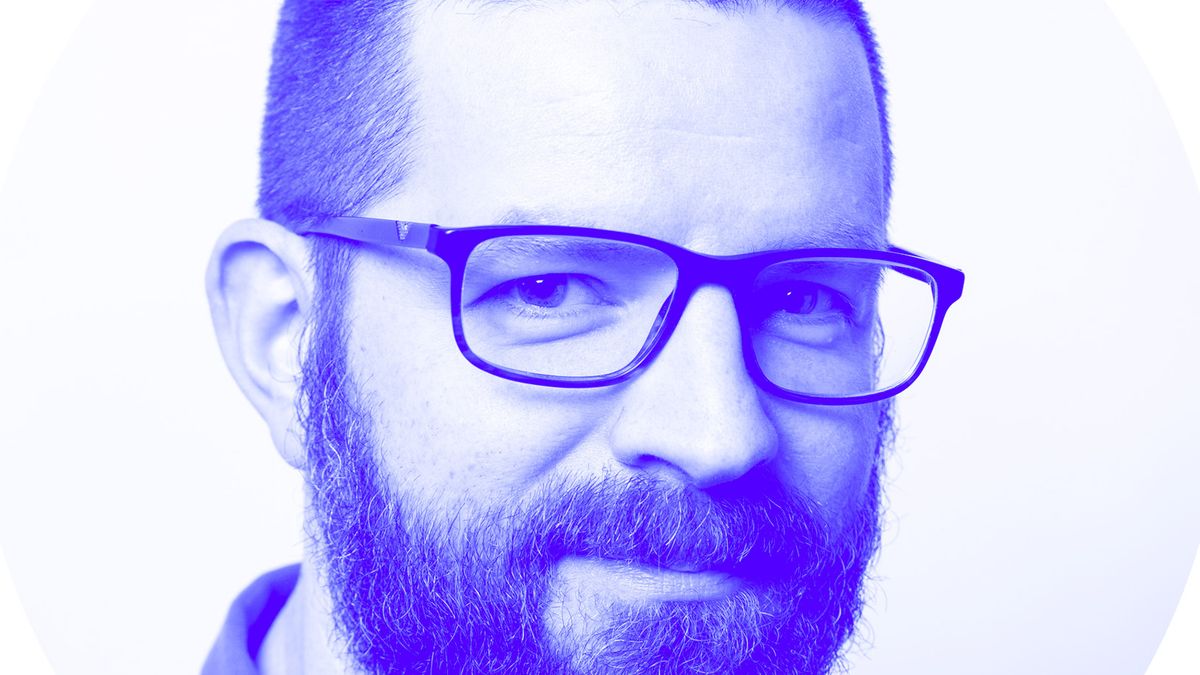
When Demis Hassabis dashed across the stage at Google I/O, the crowd swallowed a collective breath. He held the room’s attention without breaking a sweat, his face a blank mask that made the declaration even more bizarre. It was not a question, but a promise: DeepMind aims to reimagine drug discovery in a way that one day will solve every disease. The claim rattled experts, but for many, it sparked a new conversation about tomorrow’s medicine.
This isn’t the first time a tech giant has teased a cure bout. But the timing matters. Google rolled out new AI tools that parse medical literature in seconds, and DeepMind’s AlphaFold just cracked a protein structure puzzle that took decades. The logical step is clear. Yet the leap from protein models to a pan‑disease cure is akin to taking a phase‑one pilot and moving straight to the moon. Not that the idea shouldn’t exist; it’s simply ambitious.
Critics point to the sheer scale of diseases—viral, genetic, degenerative. Even if AI could sift through millions of research papers, converting a theoretical solution into a marketable drug still requires trials, regulatory hurdles, funding, and patient recruitment. “The math doesn’t add up,” says Dr. Elaine Zhang, a pharmacologist who has spent ten years on drug pipelines. “You can’t tell the difference between a tool and the end goal.” Still, DeepMind’s track record shows a capacity to rewrite the rules of research, which makes the debate all the more riveting.
Behind the curtain, the duo of high‑performance computing and neural nets has already seen breakthroughs in predicting rare genetic mutations. That success emboldens the idea that design models can reduce development time by years. In truth, speed is a powerful contender, and if it could lower costs for researchers worldwide, the notion of a universal cure becomes more tangible. But questions linger: who will fund the generational scale of trials? Which regulatory bodies will accept AI‑written protocols? And can a single organization truly hold the reins of global health?
Meanwhile, the public narrative feels like a marketing billboard. A single sentence can pull in millions of viewers, and the idea of "solving all disease" elicits hope. But Dream or strategy? DeepMind’s leadership style—short, sharp announcements followed by long development cycles—often leaves investors and patients confused. It’s a delicate balance between maintaining hype and grounding claims in practicality.
Truth is, the world will not pause until they deliver a pill that cures cancer, diabetes, or even a common cold. Their track record shows a strong propensity for incremental success. Yet the allure of the collective vision keeps scientists awake at night. The hope is real, but the road is long and paved with unforeseen obstacles.
Could DeepMind’s ambition realign the entire pharma landscape? Only time will tell—though by the end of the decade, the conversation around AI and medicine may look like it never did before.