In a quiet ceremony in London, Dr. Soumya Swaminathan was handed the membership badge of the Royal Society. The crowd applauded as a young woman, grounded in biomedicine, stepped into a hall that has housed Newton and Darwin for more than 360 years.
Truth is, the Royal Society has long been a gatekeeper of scientific greatness. Its roster reads like a who’s who of the Enlightenment: Isaac Newton, Charles Darwin, Albert Einstein, and Hindi‐speaking scientists such as C. V. Raman and Homi J. Bhabha. Beside these legends sits a new face from India, signaling that the country’s scientific narrative is still unfolding.
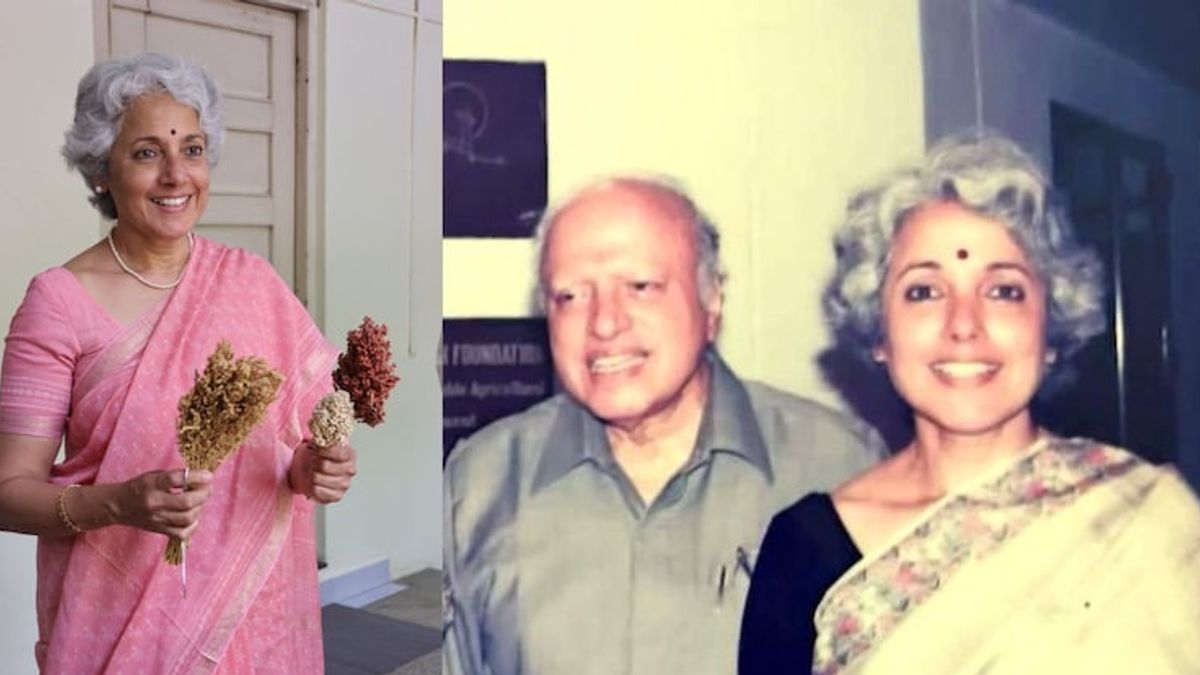
But here's the problem. Swaminathan’s election is not just a personal triumph—it echoes her father’s legacy. Dr M. S. Swaminathan, who sparked India’s Green Revolution, became a vice‑president of the Society in 1973. Their shared fellowship marks one of the handful of father‑daughter duos to receive this honor, a testament to familial dedication to science and national progress.
Meanwhile, the implications ripple beyond the laboratory. In a time when global health faces new Threats, Dr. Swaminathan’s work in immunology and pandemic preparedness feeds directly into national policy. Her research on viral evolution, published this year, could inform vaccine design for future outbreaks. The Royal Society’s endorsement signals trust in her expertise at a time when countries look to science for answers.
Yet, recognition alone cannot fill the gaps. India's scientific funding still fluctuates, and young researchers often find themselves caught between academia and industry. Swaminathan’s journey—from a cellphone‑messaged mentor to a world‑renowned immunologist—offers a blueprint. It asks whether the next cohort can harness this momentum toward building an infrastructure that keeps pace with the rapidly shifting research landscape.
And yet, the story doesn’t end at the badge. The Royal Society invites her to advise on policy, interlinking science with global governance. One can wonder whether her unique perspective will influence how nations negotiate science‑policy trade‑offs in the years ahead. Will the next generation find a path that balances ambition with responsibility?