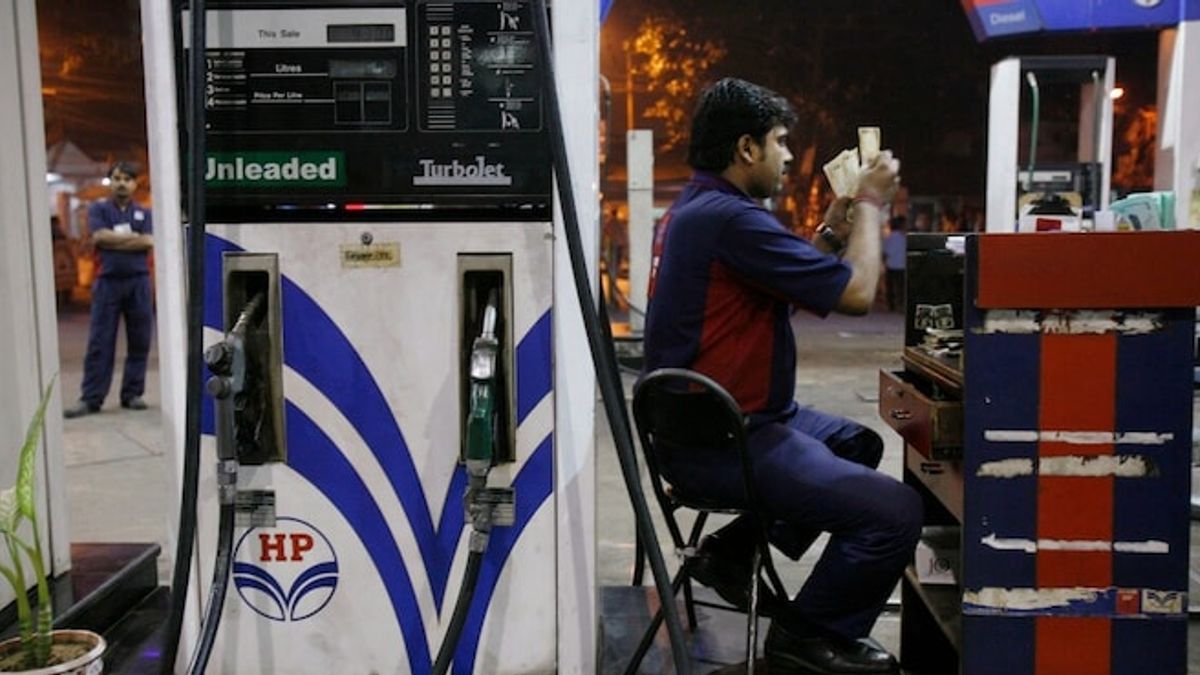
July’s first fuel hike landed at 11:15 am, a fresh Rs 8 spike on petrol that left Delhi’s commuters eyeing their fuel cards with a cold stare.
Meanwhile, across the ocean, WTI traded at $90.80 a barrel—a 6% slide from earlier highs. Brent followed suit, slipping to $97.70. Still, the change feels irrelevant to a driver in Mumbai who owes the government an extra ₹70 a litre.
The mismatch isn’t simple supply versus demand. First, oil companies recalc their price sheets every 15 days; each shift lags the latest market. So even as barrels soften, the latest revisions sit on the books.
Second, the rupee’s wobble against the dollar adds breathing room when converting crude into local currency. A weaker rupee inflates the cost of importing oil, so the retail price climbs even if the barrel price eases.
Third, taxes skyrocket during bumper months. The excise tax on petrol can jump to 35 % when the government hikes it, and diesel sees a 25 % increase at times. Those jumps can dwarf any small drop in crude. The tax stamp on every litre sticks stubbornly to the shelf.
State‑run giants like Indian Oil and Bharat Petroleum also carry losses from previous years. They offset those hits against current earnings, needing to shift the burden to end‑users to preserve balance sheets.
Looking back, crude peaked near $120 during the peak of the Iran flare‑up. While Indian refiners didn’t pass on every dollar earlier, the sudden spike tightened inventory margins. Those margins had to be compensated later, so when prices fell, the firms still required higher retail pricing to catch up.
For the average consumer, the question isn’t just “Why?” but “When?” Convenience stores, taxis, and fuel pumps feel the strain. If the rupee weakens further or taxes rise again, the next revision could trigger a Rs 10‑per‑litre jump, pushing many families to cut back on long‑haul travel.
Looking ahead, analysts warn that pending geopolitical tensions and global supply uncertainties could keep crude fluid. But the real battlefield lies in Delhi’s streets and Mumbai’s motorways, where every rupee shift feels like a price shock.