"No speculation," the Congress said after a marathon, six‑hour session that left even the most seasoned politicos stunned. That was the party’s only breath of fresh air before the next wave of Rajya Sabha seats lit up the political calendar. The headline shot felt thin as a paper flap, but the undercurrent was thick with a desperate need to manage public perception.
KC Venugopal, the party’s general secretary, told reporters on a dim street corner that the room was packed with the state’s top brass. Mallikarjun Kharge stood front and center, shoulder‑to‑shoulder with Rahul Gandhi, both eyes scanning the ticking clock. “We could have fans for the CM drama but no room for drama,” Venugopal muttered. “Just talk about the elections.”
But here's the problem: the three Rajya Sabha seats up for grabs have already become a magnet for coalition stewards and independent candidates. An earlier swing in Karnataka’s assembly would have turned one seat every week into a winnable—and wildly contested—battle. The Congress has already ginned up a contingent of senior leaders who will chase the polls with a surgical bareness. It isn’t just a lot of names; it’s a lesson in seat‑buying politics for the rest of the country.
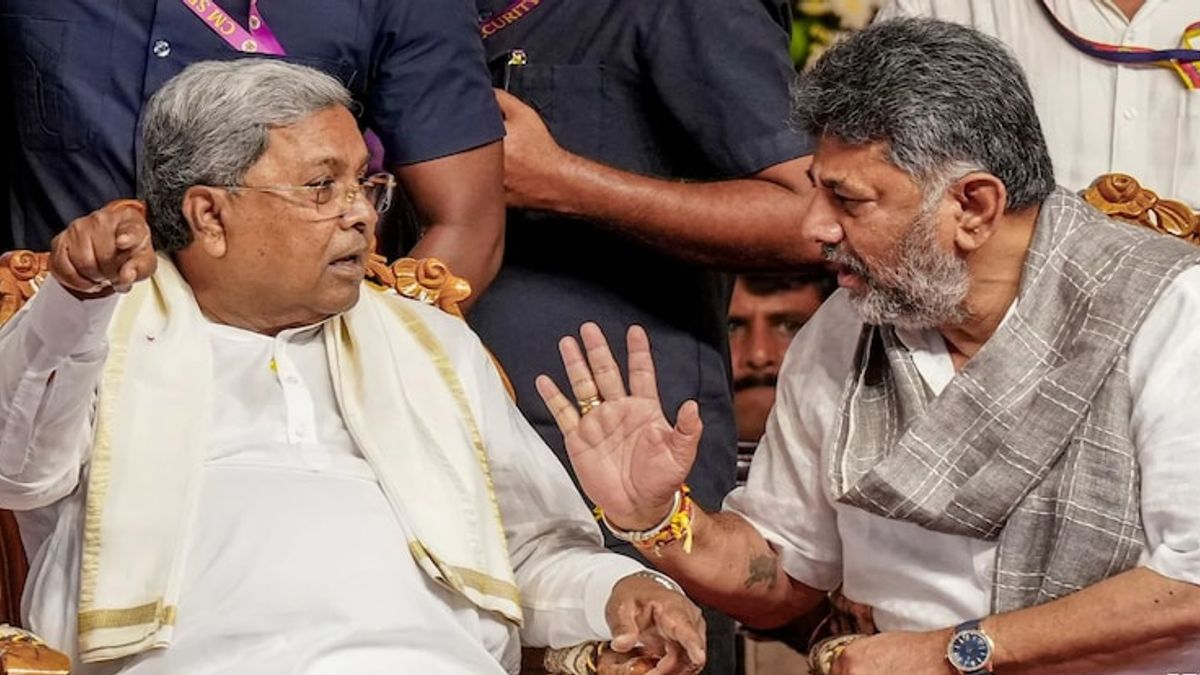
Truth is, the party’s statement was not a manual for calm. It was a warning that the widening rift over the Chief Ministercy will spill into the public sphere unless everyone remains circumspect. Talk slates, a past of internal squabbles, and a fresh wave of opposition binge‑watching have turned Karnataka’s leadership into a case study on neglecting to let policy speak for itself.
Meanwhile, the two front‑line challengers are stuck in a trade‑off: flush out the rival or keep the state from grinding to a halt. The Congress believes it can clinch a clean ticket meant to ripple across the state’s nascent industrial corridor. Still, doubt lingers. The state’s legislature houses a thorny web of coalitions formed on shaky promises. If the CM dispute fractures further, voters may lean into outsiders or legacy parties that feel pushed to the sidelines.
And yet, the question remains: will that moment of collective silence be a step toward unity, or a standoff that leaves Karnataka merely breathing, not living?