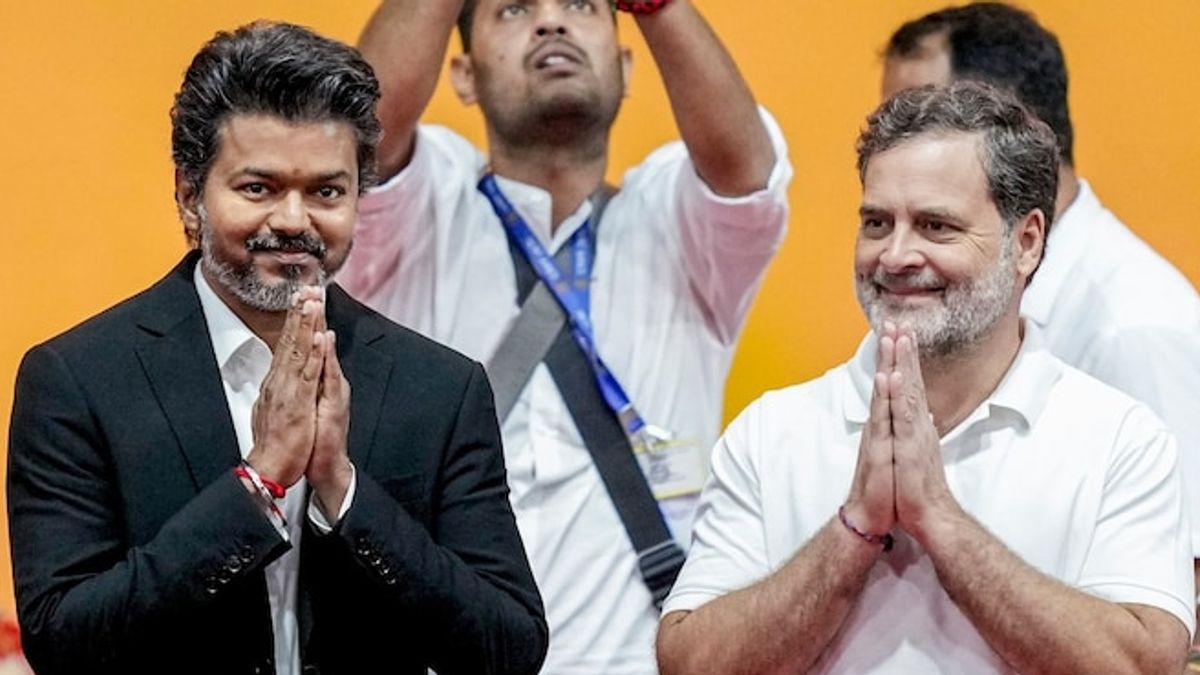
Two Congress MLAs. That line was spoken on a crisp Thursday morning as Rajesh Kumar and P Vishwanathan stepped onto the dais to swear allegiance to the Governor. Their oath signaled a political shift long in the making. The party that had ruled Tamil Nadu in the 1950s and 60s was finally back in power, after a long haul of absence.
But the image of a party’s return is more than symbolic. The Congress had left Tamil Nadu’s political map in 1967, when the Dravidian movement unseated it for good. Since then, the state has been governed by AIADMK and DMK, two rivals that have reshaped the region’s identity. The reintroduction of Congress lawmakers services as a strategic move by the party’s national leadership, a gambit by Mallikarjun Kharge to regain relevance in a state where his home base feels increasingly co‑owned by regional parties.
KC Venugopal, the AICC general secretary for organization, announced the deal on his social‑media feed, calling it a “historic occasion.” Truth is, the wording hints at more than a simple coalition. It signals a potential shift in Tamil Nadu’s political equation, a step that could embolden Congress nationwide. The message is two‑fold: Congress is still a force to reckon with, and its local backing in Tamil Nadu is genuinely viable.
The few minutes of ceremony that followed were peppered with speeches about “welfare” and “pro‑people governance.” While the language is heavy on rhetoric, the stakes for the state are real. The involvement of Congress lawmakers may open new streams of funding, alter budgeting priorities, and change the trajectory of social programs. Politicians in Chennai have already whispered that it could affect upcoming by‑elections and the handling of key infrastructure projects. Meanwhile, opposition voices warn of potential policy shifts that might tilt the state’s political balance.
One cannot ignore the history that frames the moment. In the early days of India’s independence, Congress ruled Tamil Nadu under leaders like C. Rajagopalachari, K. Kamaraj, and M. Bhaktavatsalam. Those years were marked by cash‑for‑policy deals and the establishment of an administrative legacy. However, the Dravidian movement’s music of regional pride gradually rewrote that legacy. Yet here we are, witnessing a melding of old and new. It is a telling reminder that politics, no matter how entrenched, has room for bargaining.
Critics argue that the alliance risks diluting the Congress’s core values. Still, the party has shown resilience, stretching its reach beyond the north and bringing a new face to Tamil Nadu’s corridors. Its pragmatic approach demonstrates that elected governance in India can, sometimes, survive even under shifting alliances. Political analysts now point to a period of transition where the state’s public perception might pivot, or where Congress could simply serve as a stable back‑bench voice that enjoys a reliable seat in the Assembly.