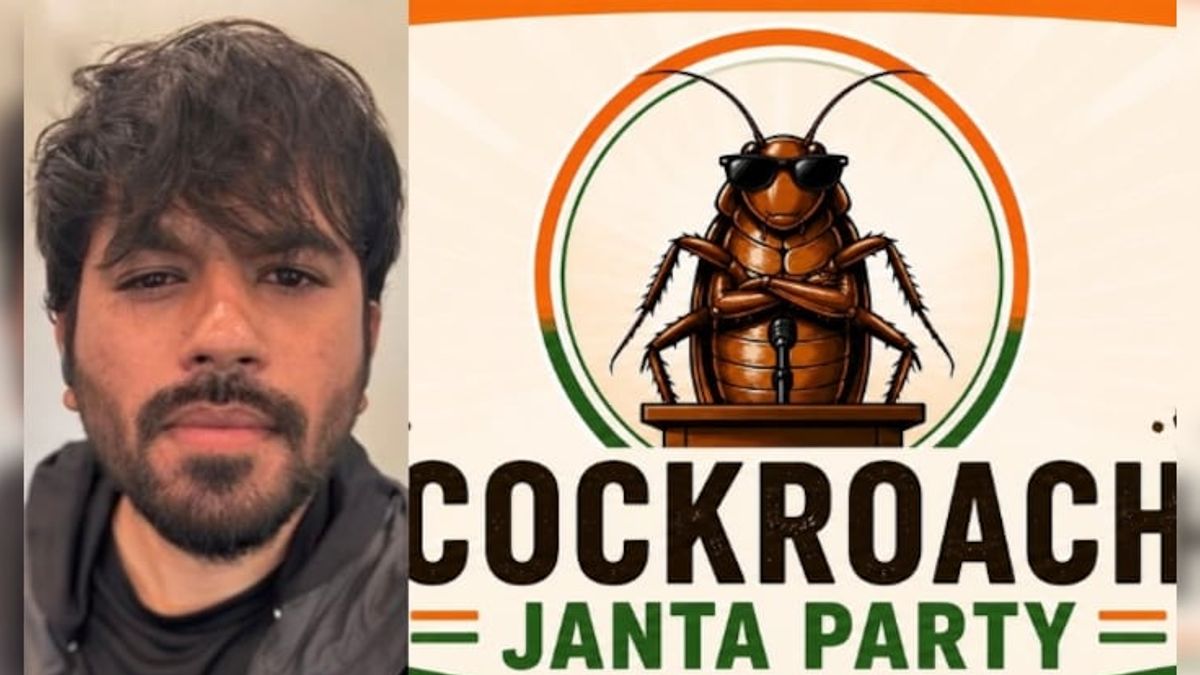
Abhijeet Dipke's screen lit up at 10 a.m. on May 16 as he pushed a short video that turned the judiciary's nickname for citizens—“parasites” and “cockroaches”—into a rallying cry. The clip spread faster than a wildfire, with users dubbing it the birth of the Cockroach Janta Party. Within a day, TikTok, Facebook and the reborn X platform were swamped with memes that stitched the party’s flag to everything from sundown prayers to runway fashion. And, over the next week, its Instagram account swelled past 19 million followers, eclipsing even the major parties’ traditional bases.
Dipke, said to be 30 years old, carved his niche in Pune’s journalism school, then slipped into a master’s program in public relations at Boston University. He wasn’t new to politics; between 2020 and 2023 he floated in AAP’s underground social media wing, crafting meme strategies for the Delhi Assembly election that helped Arvind Kejriwal’s faction claim a decade-long seat. In that sense, the satirical platform isn’t a fling on a whim— it reflects his training in stirring waves from digital shadows. The #CJP became a vessel for journalists, MPs and even old‑school activists who found it easier to rally behind a joke than debate policy.
But here's the problem: the same raw humor that drew millions also landed the party on the legal radar. A court order in late July forced its X handle to be pulled. Authorities warned against the party’s “propagation of falsehoods” and “radical slogans.” However, the Instagram feed bombarded users with a new charter: “We’re not a political party. We’re a movement— and we’re not going away.” The dual attack showed how modern protest can live outside institutionally defined lines, while still courting legal retribution.
Truth is, the party’s reach isn't just about numbers. It signals a generational shift where grievances are amplified in banner form and where politics dissolve into memes. Young adults, who grew up scrolling through endless streamlines, now talk in punchlines and hashtags. If the CJP can hold sway, it rewrites what a campaign platform can look like—a virality‑based, instantaneous megaphone that bypasses traditional lobbying.
Meanwhile, one brand of criticism remains loud: the South Asian parliament, notorious for stifling dissent, sees the party as an immediate threat to its legitimacy. Yet, debate often spills into court filings, not rallies. The legal takedown on X might even fuel more curiosity, sparking a solidarity wave among netizens. The party’s creators have never hidden their doubts, nor promised policy roadmaps. They savor the humor, hint at progressive causes, but stop short of a manifesto and another charismatic leader walking the line into Senate. The question sticks: does satire hold enough power to fuel real change, or is it simply the most viral form of mischief yet to be called a revolution?