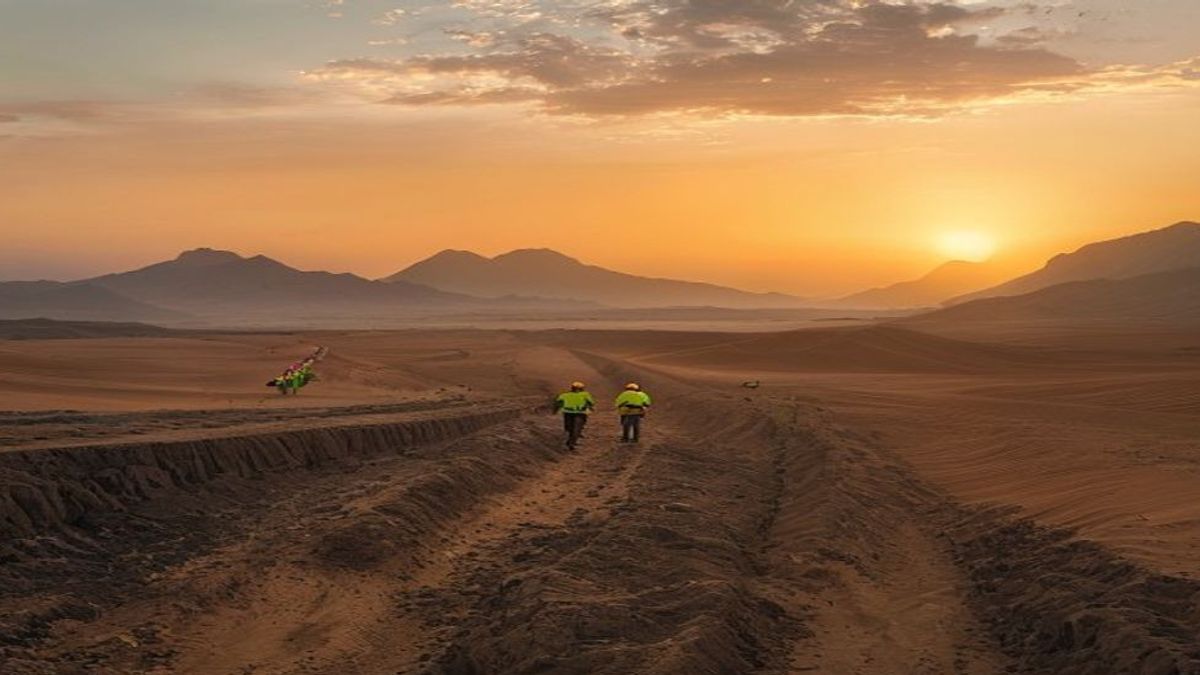
Concrete fingers pressed into hot sand near Arica, the first trench slicing a silent scar into the landscape. The sound of machinery stabbed the quiet at 6 a.m., a sobering reminder that status quo no longer feels safe for the Chilean president’s hosts.
José Antonio Kast, whose campaign was built on a stern anti‑immigration platform, says the walls will keep the influx of migrants from Bolivia, Peru and elsewhere at bay. Meanwhile, his aides are already bragging about the “security boost” the barrier brings. The construction ceremony went on with speeches praising “the integrity of our borders.”
But critics say the effort may be symbolic at best. Civil‑rights groups argue trenches are more about optics than efficacy. “You can build a wall to look tough, but people will still find ways to cross,” notes lawyer Pablo Salazar, who has watched refugees using the same terrains for years. His point rings hard when reports show thousands still slip through the gaps.
The trench looks eerily like the big barricades that appeared in American politics during the “America First” era. It signals a broader, continental trend—Sudamerican states tightening security to an unprecedented degree. Regional analysts say Chile’s scheme may force neighboring governments to invest in their own run‑ups. Yet only a few concrete fences change the flow of humanity.
Beyond the politics lies a darker question: what becomes of the people pushing into Chile’s borders? The trench could become a site of human tragedy—violations, dehydration, even deaths in the unforgiving desert. The UNOCHA flags every deployment of physical barriers as a violation of the right to seek asylum, branding them as “coercive.”
Economically, the project trips on its own paradox. It adds jobs for trench‑diggers and engineers, but also risks alienating a growing backbone of low‑cost service labor that borders offices rely upon. Tourism, too, could feel the tremors, as vehicles move slower near the fence, disrupting the usual flow of travelers.
Truth is, the concrete line may sound more reassuring than any of it really is. The next thing it either does is either become a prison wall or a reminder that the war on migration is far from won.