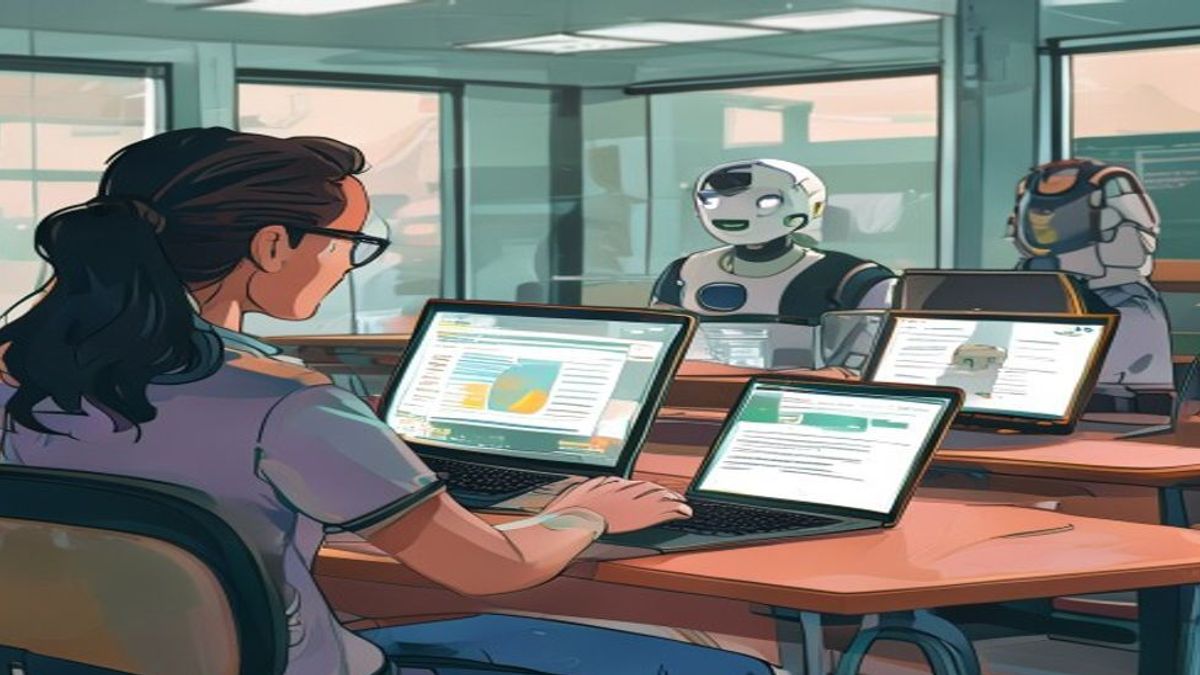
Michael Sutton leaned back, thumbs hovering over his laptop keyboard, as his class demoed a new AI tool that could generate essay drafts in seconds. He took a moment to let the screen light up the room. The reception was mixed—some peers nodded approvingly, others froze, eyes wide with suspicion.
Truth is, the California State University system has rolled out a campus‑wide AI initiative that promises faster grading, personalized study aids, and even curriculum design help. The move mirrors a state‑wide push to keep students on the digital frontier, say administrators. They argue the technology could free faculty from time‑consuming grading chores.
But here’s the problem: many students raise red flags about plagiarism, data privacy, and overreliance on machine output. “If the AI writes the paper, who owns the work?” one freshman asked. “What happens if it misrepresents a source?” another complained. The campus debate has spiraled into a broader conversation about academic integrity and skill loss.
Meanwhile, faculty voices clash. Some professors welcome the new tools as creative assistants that spark discussion and prompt deeper critical thinking. Others see a threat to the craft of teaching, citing growing concerns over course authenticity and the dilution of rigorous scholarship. “It's not about ditching humans,” one senior lecturer warned, “but about ensuring students still wrestle with the material.”
Meanwhile, the CSU administration remains confident. “AI is a layer of support that helps scale our mission,” the system president said in a recent press briefing. The promise of cost savings echoes in budgeting meetings. Yet cost‑cutting is only part of the story; questions linger over training requirements, ethical frameworks, and long‑term institutional goals.
And yet, the stakes widen beyond campus halls. The same hesitation that echoes in CSU could ripple across the national higher‑education landscape. If AI tools become common in grade books and grading rubrics, will standards shift? Will universities scramble to keep pace with competitive tech economies? The answer, for now, remains pending, a question that students, teachers, and policymakers alike must confront as the AI future draws nearer.