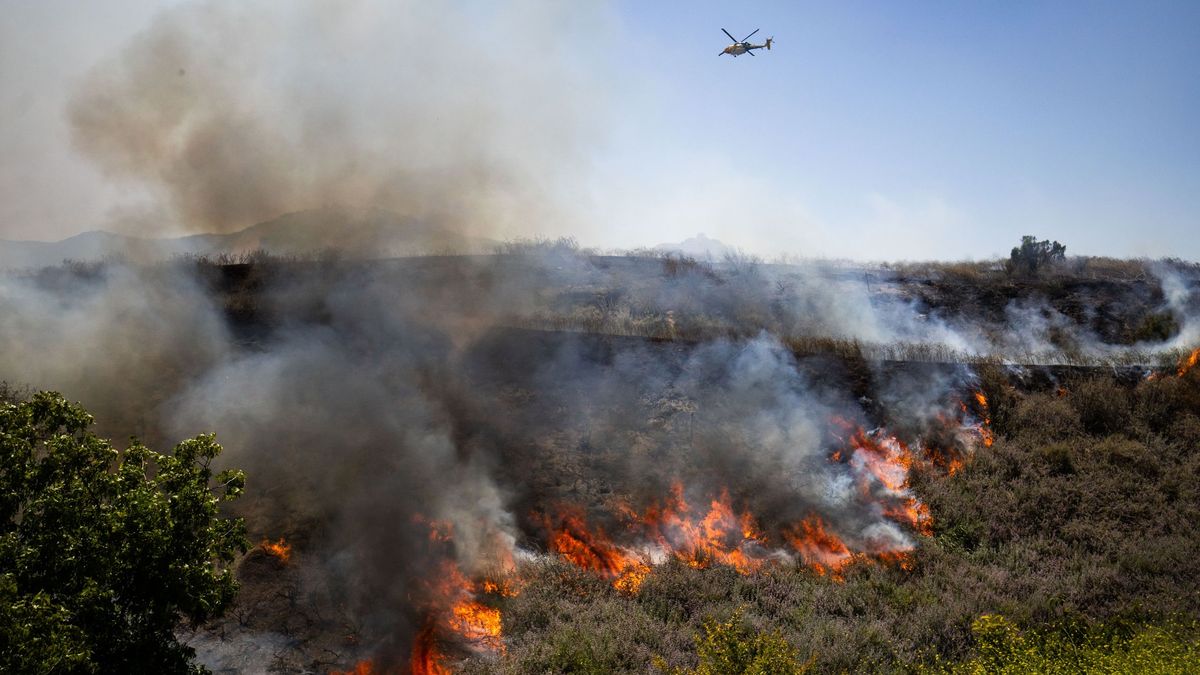
Flames erupted at dawn near the Sierra foothills, hissing over a lone cabin still smoldering from yesterday's heat wave. The blaze, now dubbed "Riverbend Inferno," has already leapt 3,000 acres, chewing through a patchwork of residential zones and old-growth pockets that drew scholars into last summer's promising studies. Heavy metals from vaporized asphalt cling to the air, making every breath a small warning.
Truth is, California's winter last year set the stage. Rain fell sparingly, while temperatures hovered three degrees over normal for weeks on end. The result? Grass, saplings, and dry brush turned into a tinderbox, an invisible threat that sits poised to erupt whenever the wind decides to turn heat into fire. This year's early blazes prove the classic danger of a desiccated landscape meeting the state's notorious lightning storms.
Meanwhile, the state's fire crews have been on high alert. Firefighters, now pushed beyond their usual rotations, have taken to the skies in helicopters, spraying water while ground teams keep a counter-fire line. Still, the sheer number of fires—over a dozen major ones igniting across coastal ranges and valleys—has stretched resources thin. The state’s already overtaxed budget could thin further if the season drags on.
Homes feel the crunch: families in Willows and Lawrence homeowners watched their front yards turn to ash, while several unpaved community roads split in half from scorching pain. On the ecological front, the fire is strangling a keystone oak that researchers identified last year as essential for local pollinators. The loss threatens not just the plant, but every insect that relies on its pollen, creating a domino effect on the local ecosystem.
What remains uncertain is the future of those old-growth patches that had survived three decades of timber harvesting. Those are the last ecological bastions in a landscape increasingly erratic. And yet, climate science takes a peek at past cycles, offering hope that if the state invests in persistent, adaptive fire management, these patches might outlast another flare-up.
Will a single colossal blaze again push California beyond a tipping point, forcing the state to rewrite its long‑term fire strategy?