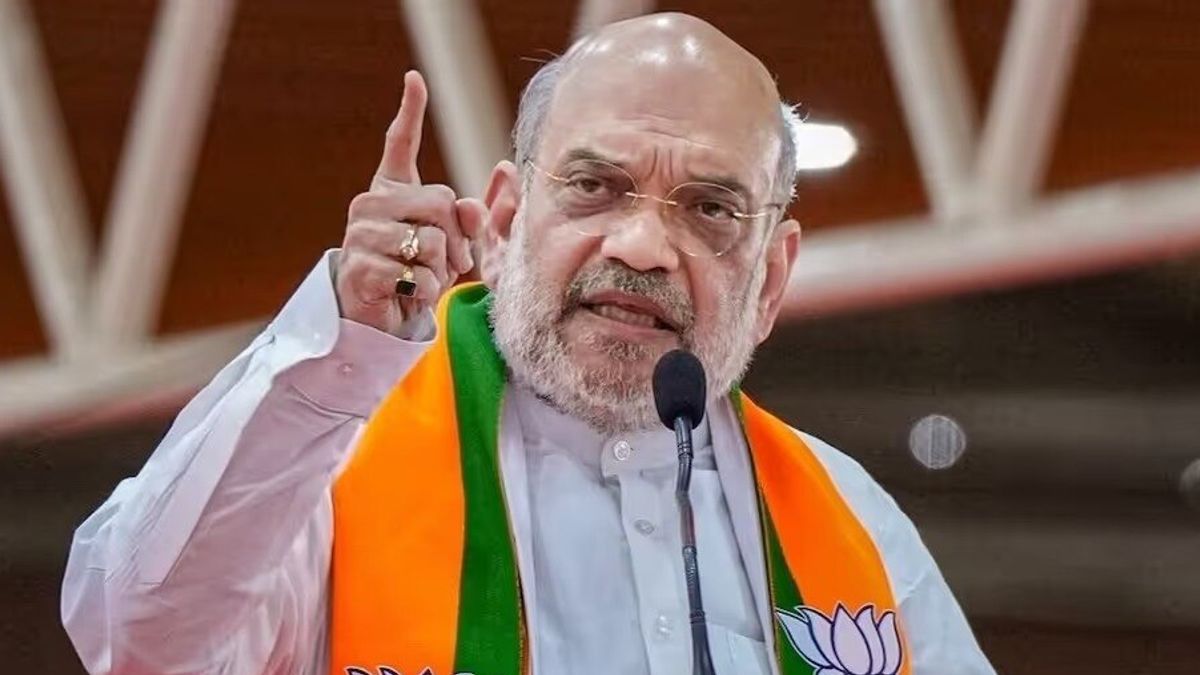
Amit Shah stepped onto the media dais at 9 a.m., his hand hovering over a glossy folder that promised to undo decades of assumptions.
The Minister for Economic Affairs said the committee would examine changes across age, fertility, and urban migration. No names yet, but the roster will include senior bureaucrats, scientists and industry leaders.
India has long been known as a nation of extremes. Rural life still dominates, yet metros swell daily. Birth rates have slipped, while life expectancy crests. Many analysts warn that these forces could ripple through everything from the job market to the healthcare system.
“We must be ready, before we’re outpaced,” Shah said, the words echoing a series of late‑night policy briefings. The new panel will produce a roadmap, but not before gathering data, building simulations and connecting with regional officials.
Some commentators see the move as a defensive strategy. A shrinking workforce looms large for an economy that thrives on youthful dynamism. Others note that the package will aid firms in planning for an ageing consumer base.
Meanwhile, opponents point out that governments have conjured committees all the time, only to let them drift into paperwork. The challenge? Turning the committee’s outcomes into actionable reforms that affect ordinary citizens.
And yet, with the world turning swiftly, India cannot afford to sit idle. The promise of a historic study could touch everything from the launch of new pension schemes to the roll‑out of tech‑driven healthcare.
Who will oversee the details, and will the committee’s reports carry force in Parliament? The future hinges on those answers.