Fahim Mallick stepped into the Nawada court with the grim look of someone used to losing battles. He wasn’t there to win a case, but to demand bail in an old feud that had been brewing for six months. Truth is, local chatter had already tipped that he and his family planned a counterattack no matter the decision. The judge shook his head. The verdict was a flat rejection, and the courtroom the next burst into shouting.
“Within two days, two people will be killed in your house,” the crowd roared, and the words lingered in the air like a storm cloud. The threat was sharp and simple, a promise that carried more weight than any judge’s stare. He took his squad into the dark alleys behind the court, each man gripping a weapon heavier than a promise. The legal system offered no cover; instead, it became a furnace that stoked rage.
The land dispute, a tiny sliver of agricultural land, had escalated into monthly scuffles, broken promises, and whispered threats. In the tense weeks before the court, officers had filed complaints against both sides, but the feud seemed immune to paperwork. The case was old, but the anger was fresh, fueled by accusations of harassment and physical assaults. The village’s small justice chamber became a stage where men rehearsed vengeance.
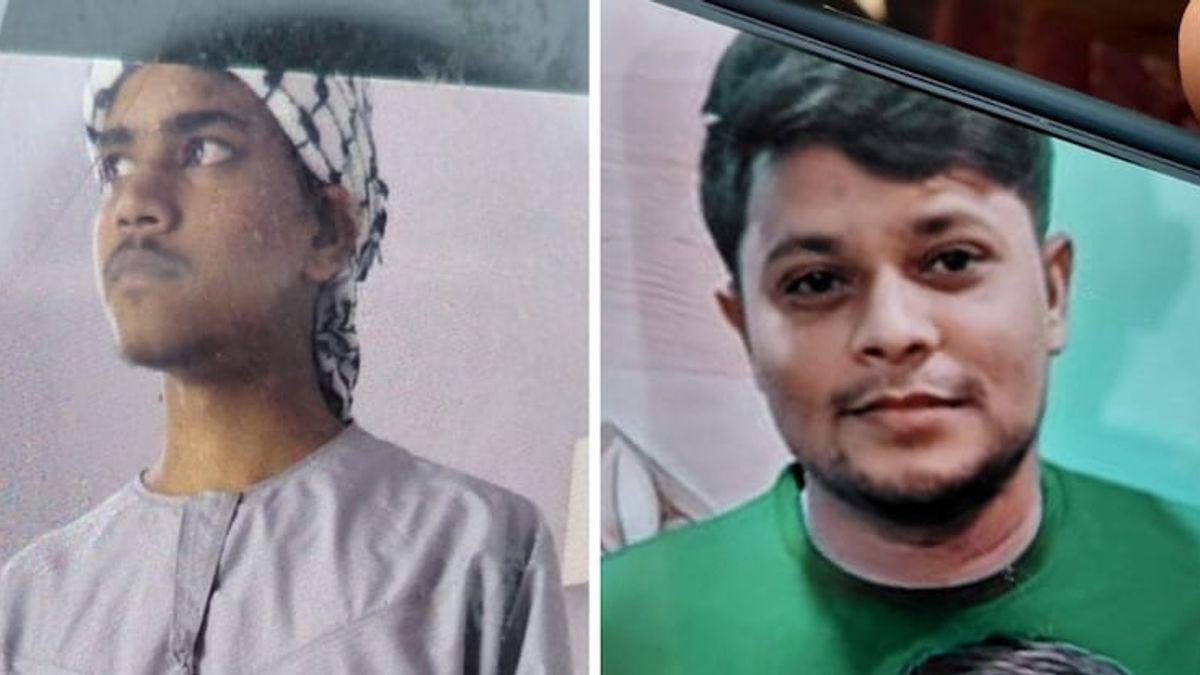
By dawn, the barbed comb of fear had stretched across the community. The accused’s family, led by Imtiaz and Istekhar, had walked out of the courthouse armed and ‑ if you ask Mohammed Anwar Hussain ‑ ready to strike a neighbour who had stood on the wrong side of a pittance. A maternal uncle, who had been co‑owner of a plot contested by the Mallick clan, and his nephew were outside their homes when the group arrived. Instead of a warning, the confrontation turned into a swift, brutal assault. They stabbed repeatedly, cutting the victims into both flesh and silence. Their weapons slipped through the pause between the crime and *the after‑shock* that left several bystanders hospitalized.
Inside the village, the scene spread like a bitter cough. Some people tried to step in, shouting over the chaos. They were met by bullets and slash marks that turned their faces into scenes of tragedy. The day the court’s dismissal turned into blood was so sharp it felt like a failure of law itself. While the legal system must protect, it also risked becoming the backdrop for vengeance. The raw cruelty of the double murder speaks to a deeper problem: when grudges get inked onto old cases, they bleed into real life.
Police now face a dilemma. Should they sift through old grievances before delving into the fresh wounds? Should they bring in higher-level judges to keep these feuds from turning into private executions? The answer is neither simple nor perfect. All that stands stark is the law’s apparent fragility in the face of personal damnation. Will the courts ever offer more than a threat that rings hollow in the dark? The next time a malice passes through these chambers, it must be heard and handled, not masked by an old story and a new blade.