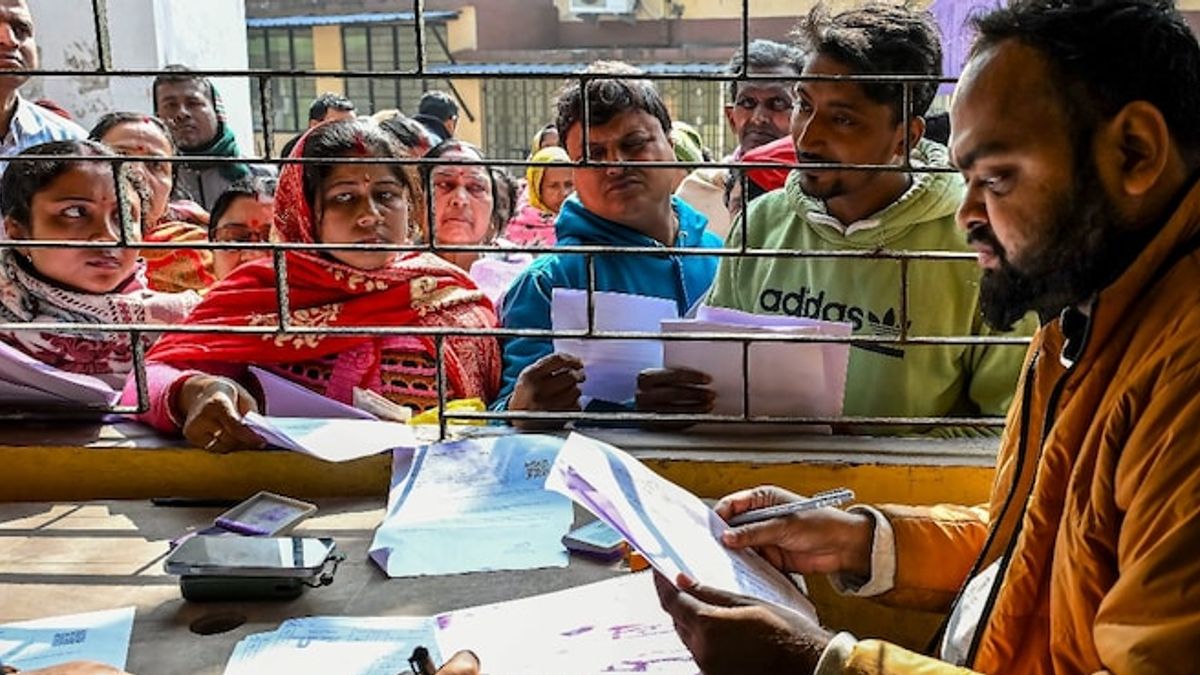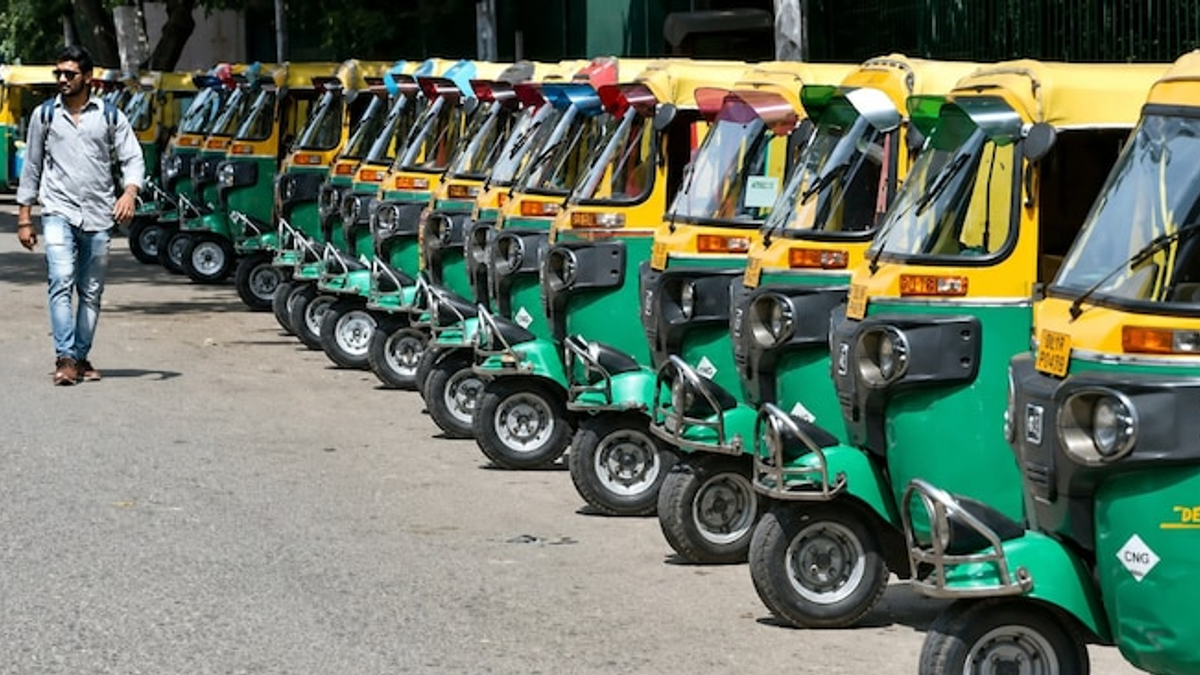
“We’re fighting for our livelihoods,” muttered a driver at Veer Madho Singh Bhandari Park as roughly 70 unions marched through Delhi’s streets. The stand‑up began just after dawn on Thursday, with drivers of autos and taxicabs parading across city lanes, demanding a raise in fares and the reversal of a new environmental compensation tax. The protest signals a sharp edge of frustration that has built for months.
On Thursday, the All India Motor Transport Congress—an umbrella body that counts truckers, private bus operators, taxi and maxi‑cab crews—announced a three‑day strike. More than 65 transport associations joined. Continuous rallies now block major arteries, and commuters are scrambling for alternatives. Even where traffic lights fail to stop the flow, the absence of cars on the road turns city travel into a blunt nightmare.
Drivers point to a creeping levy on their fares called the environment compensation cess. The city argued it helps fund cleaner air, but the added 1.5% bite at the bottom line knocks hard at driver earnings. Coupled with rising fuel and wear‑and‑tear costs, many auto‑drivers claim sellers nearly vanish. The strike demands a rollback of the tax and a hike in base fares that would preserve their livelihoods.
They also blow the whistle on app‑based aggregators. “We got almost 30,000 fewer rides last month,” said an auto‑owner in Gurugram. According to drivers, the rideshare giants have slashed nominal rates while keeping incentives down to a fraction of previous levels. Once the company reduced per‑kilometre payments, many drivers went home with less than half what they earned before—a headline change that feels like a gut punch.
A ripple goes beyond passenger receipts. Hospitals report patient delays, delivery services lag, and small businesses see fewer customers. Meanwhile, the Delhi government has yet to issue a formal response. In the past hours, local officers have met with union leaders but have yet to propose a settlement or a timetable for resolution.
Will the city’s leadership heed the drivers, or will commuters keep braving the bumpy roads without a clear target?