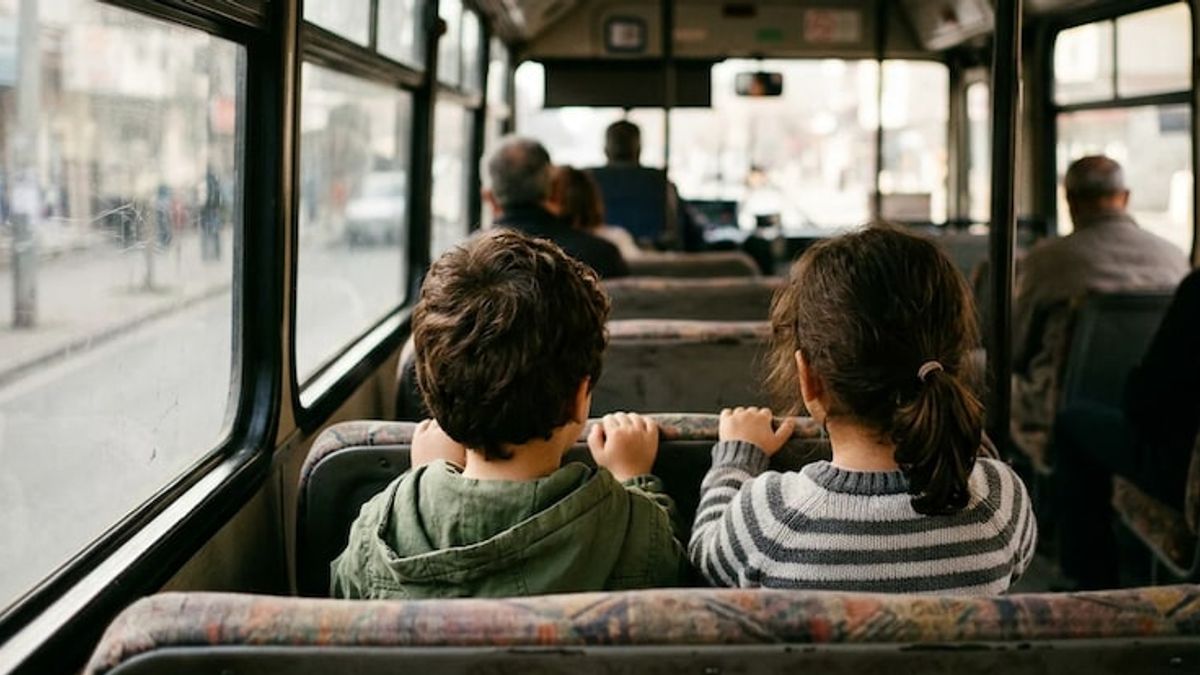
A handwritten note on the back of a child's schoolbag reads, “These children have no parents.” The paper was found in a seat on a crowded bus to Yavatmal, where the child’s muffled sobs reached the ears of a passing driver. The city buzzed as news spread that the little ones were left alone on the steaming carriage.
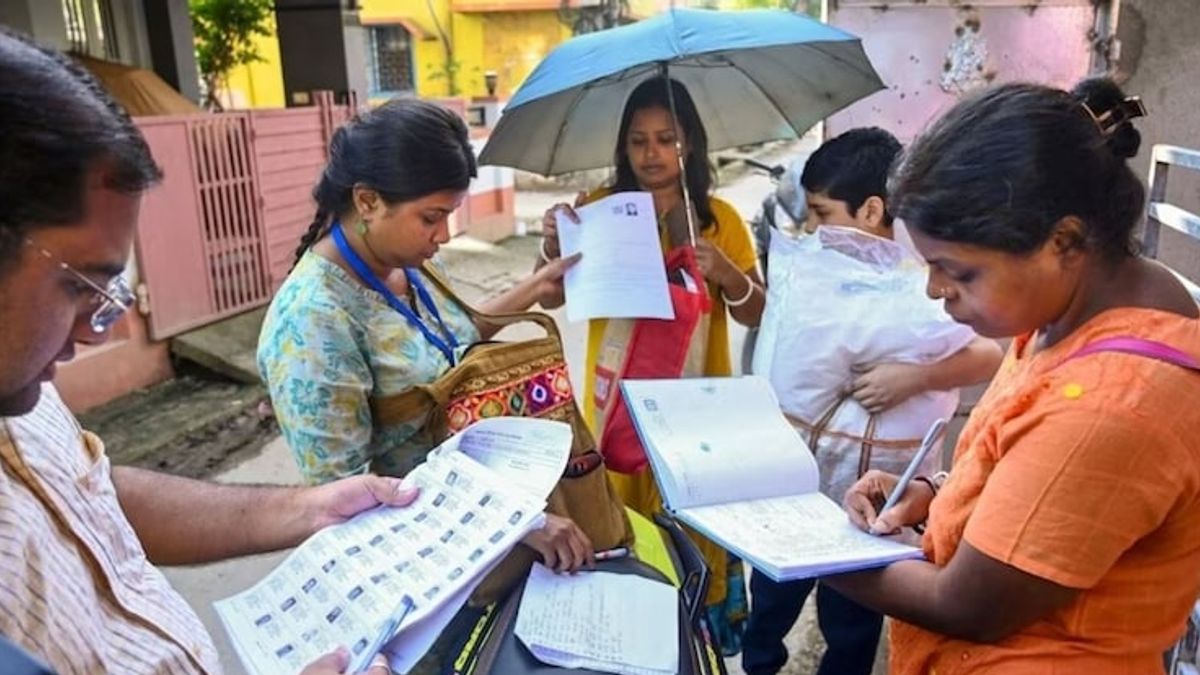
The lede turned into a fog of questions. Who left them behind? On which route did they slip? A quick call to the number on the note triggered an investigation that peeled back weeks of secrecy. The message pointed to an abandoned mother who had chosen to start a new chapter with a lover, abandoning her infants in a public transit system mid‑journey.
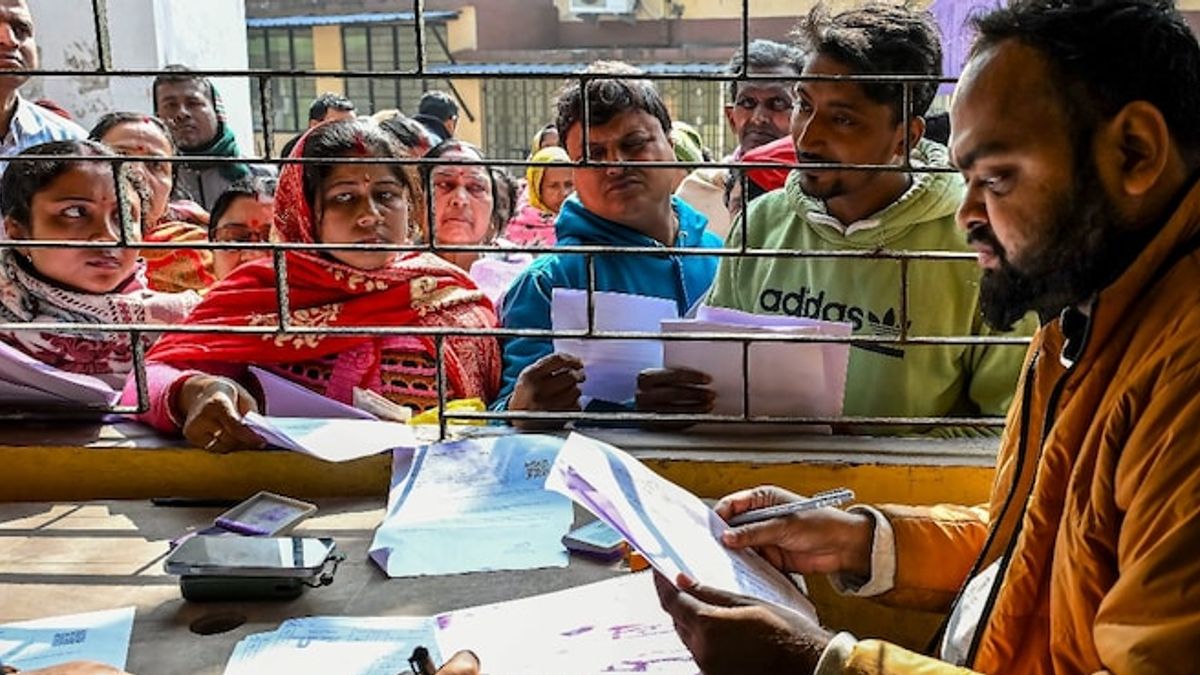
Meanwhile, an elderly man from Yavatmal filed a police complaint on April 30, accusing his daughter of absconding with cash and a scooter. The next day, authorities called the man to Beed, the town where the bus stopped. He, their maternal grandfather, arrived with a weary look that seemed more stressed over his own stolen vehicle than over the welfare of his grandchildren.
Inside the dusty police station, a conductor’s testimony added layers to the tale. He described seeing the children clutching the note as they sat beside the empty seat where a scooter once rested. He remembered the mother’s last moments—she had hijacked her father’s scooter, pocketed a small stash of money, and dashed into the night with a lover’s promises.
Legally, the situation is a stew of theft and potential child endangerment. While police have detained the mother for the scooter robbery, the fate of her wards remains a gray matter. The children, holding a note that offers no safety net, are declared stateless in the eyes of the family’s broken contracts.
What does this say about the city’s support systems? If a mother can simply bench her babies on a bus and vanish with a lover, how many more children are at risk? The story lives in the echoes of a plaintiff’s complaint and a bus conductor’s testimony, and we’re left asking: Who will pick up the babies now?