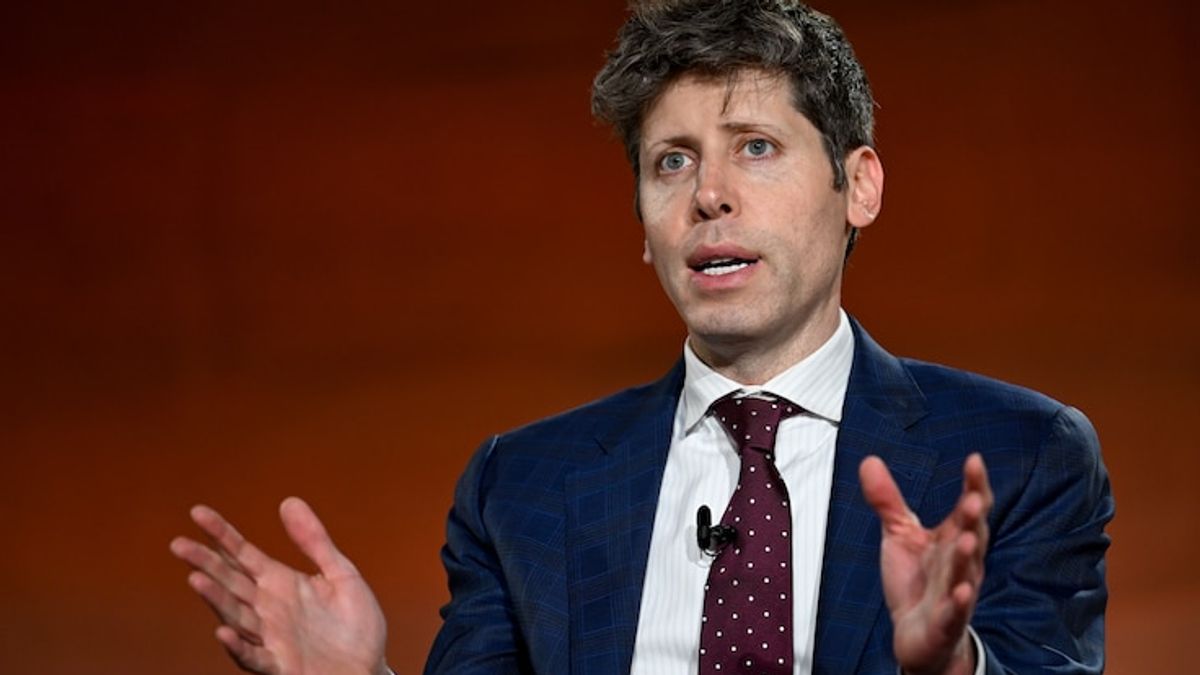
Altman lit up the X feed with a one‑sentence brag: “ChatGPT Images 2.0 loves India. Already more than 1 billion images created there; awesome to see.” The brag was short, but the math behind it is hungry for context. The figure came after a month of insane visual churn on Indian social‑media channels. Think anime‑style avatars in #TikTok reels, cinematic headshots trending on Instagram, and LinkedIn profile pics that look straight out of a glossy magazine. The spread is so broad that the scene looks like an artistic free‑for‑all.
OpenAI rolled out Images 2.0 last month, a step up from the original paint‑brush that felt a bit crude. This version promises sharper editing, richer layouts, and what it calls “thinking‑level intelligence.” The engineers say it can juggle complex visual tasks while still keeping the text on screen legible, thanks to new multilingual support and better visual reasoning. Those upgrades spark a question: can a machine really mimic an artist’s touch? The answer is “maybe,” but the numbers say the market disagreeing is impossible.
Meanwhile, the belly of the beast is India. Between the buzz of Bollywood promos and the wave of personalised e‑commerce ads, creators are tapping the tool with abandon. The platform’s ease of use allows a rapid, low‑cost workflow for generating scene‑setting backgrounds for tweets, spoof news graphics, and virtuosic A‑list portrait edits. Every swipe and tap reads like a packet of possibilities flooding into a city that is already wired for instant visual consumption.
OpenAI also rolled out a demo video made entirely with the new engine. The footage is so polished it could fool a casual viewer into thinking those shots came from a professional studio. The realism raises the stakes for two reasons. First, marketing teams can push brand images instantly, while second, de‑facto fake news photographs might slip past ordinary fact‑checking. The line is already blurred; the next few weeks will tell how close the AI truly is to a photography herder.
Truth is, a billion images are a lot of content to regulate. Imagine holding the reins to a world‑wide art supply that decides what shapes people see every day. Creatives will thank the tool for its speed; regulators will plead for accountability. Which policy will win out? Will image-creation platforms be “too big to fail” technologically but “too small” to police? The conversation is already humming louder than any speech out of India’s Bollywood halls.
And yet, something else hangs in the pan: ownership. Who owns an image that a machine spits out after a worker only fed a prompt? The market might decide tomorrow, but for now, the roots of this debate remain in a single post on X.