Brass clanged, voices rose, and a telegram of change slipped through the frosted doors of the West Bengal cabinet chamber on Monday.
The decision was blunt: religion‑based assistance programs nested in the Madrasa Department and the Information & Cultural Department will be stopped, but only after the current projects run out of the month.
Meanwhile, the cabinet rolled out the Annapurna Yojana, a ₹3,000‑per‑month stipend for women. Women already paid under the Lakshmi Bhandar will automatically join. A new portal will open for those who find themselves outside the old net.
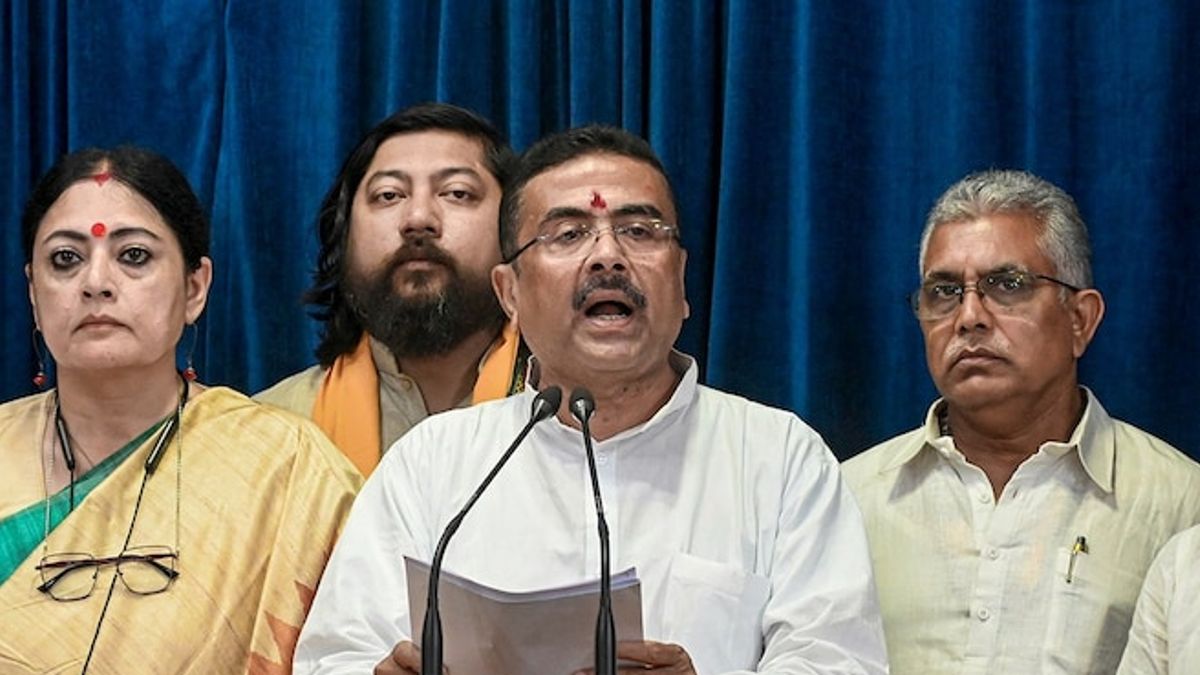
Free bus travel for women hits the streets on June 1, too. In the same breath, Suvendu Adhikari held his first public hearing, the janata darbar, listening to grievances in Salt Lake with a BJP flag on a side table.
Truth is, the move feels like a cash‑swap theory: a bow to women’s welfare while waving a flag for secular programming. Critics say it could be a political ratchet, keeping India’s complex secular jigsaw intact while trimming sensitive threads. Supporters see it as a quick fix to “religion‑bias” that might alienate voters.
Will the state’s new focus on equitable aid land, or will it spin back into the same old patterns?