Lights dimmed, a low rumble in the distance – the sky over Thiruvananthapuram Central Stadium seemed hungry for a storm. But inside the arena, the chatter was electric, not a shiver of fear. In the heart of Kerala's capital, the UDF’s party workers paced with purpose, ready to roll out a new chapter for the state.
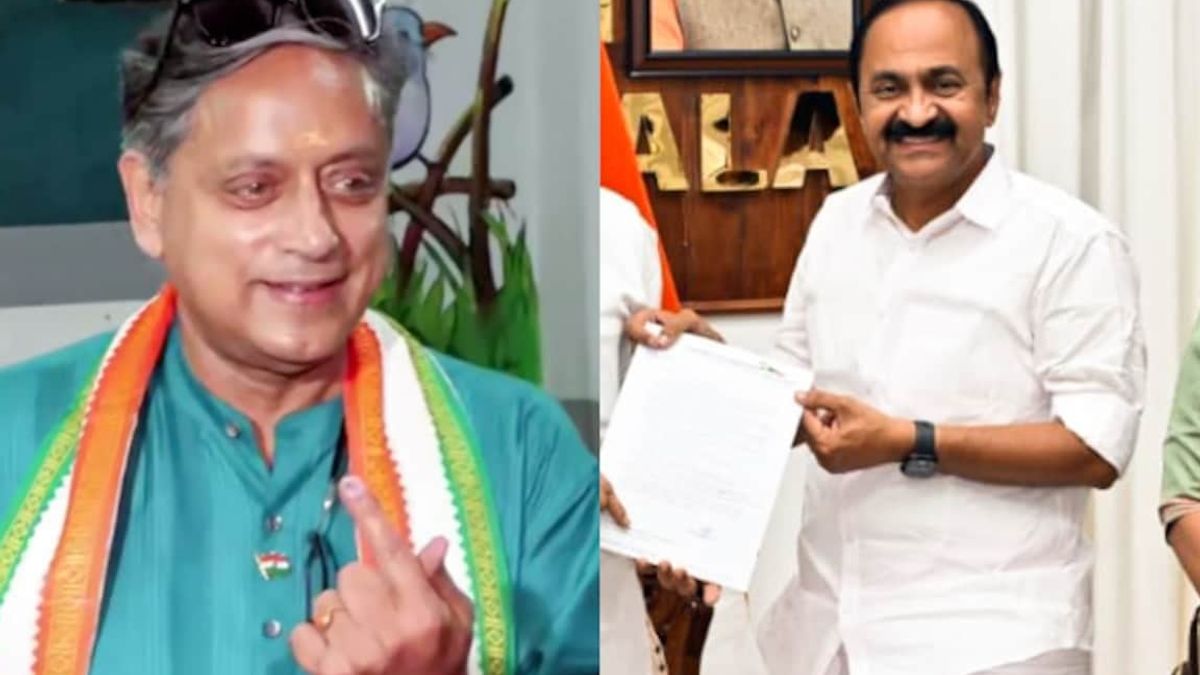
At precisely 10 a.m., Satheesan’s name was called, and the halls erupted. The 61‑year‑old, who had shepherded the opposition for five straight years, now slipped a veil over his forehead, accepting the oath into office. He’s no stranger to grumbling crowds; he was the voice that kept Congress dials turned in a decade when the ruling Left Democratic Front seemed unassailable.
Yet, no one can tell if the smiles on stage match the struggling state. Kerala is clutched by a wave of pandemic‑era debts, a new round of social tensions, and an economy still healing. Had the UDF’s promise to “Kerala Jayikkum, UDF Nayikkum” translated into real solutions, or will their entry be a new loop of grandstanding?
Backstage, a full cabinet of twenty ministers swore in as well, taking their places beside Satheesan. The assembly of figures promises fresh faces on a spectrum of portfolios: health, education, infrastructure. Besides the main cast, the sidelines were crowded with national giants – Rahul Gandhi, Priyanka Gandhi Vadra, and Mallikarjun Kharge – all waving for public credence.
Before the swearing‑in, the state had already seen a clear mathematical shift. The recent assembly elections on April 9 gave the UDF a staggering 102 seats out of 140, a margin that sent the LDF’s BJP allies reeling. The BJP, 3 seats deep, hovered at the periphery while the social liberal<|reserved_200177|>ists lay fallback for the left.
It took eleven days for Congress leaders to decide who should lead the state. The options—Satheesan, K.C. Venugopal, and Ramesh Chennithala—came from a split within a split. The choice of Satheesan, a man credited with reviving the party’s grassroots engine, means a fresh drive to galvanise local support. Will his experience in opposition uplift the party’s dependence on local dynamics, or will it be a repeat of rhetoric?
The ceremony signaled more than a new chief minister. It meant a shift in policy priorities: a promise of improved healthcare delivery, an emphasis on education reforms, and rumored ambitious infrastructure projects aimed at boosting local jobs. Critics, however, jabber about the lack of concrete milestones.
How will Satheesan navigate the challenges of a state that has seen both scientific progress and social strife? Only time will test whether the builder of the UDF’s march will transform promises into people’s progress.