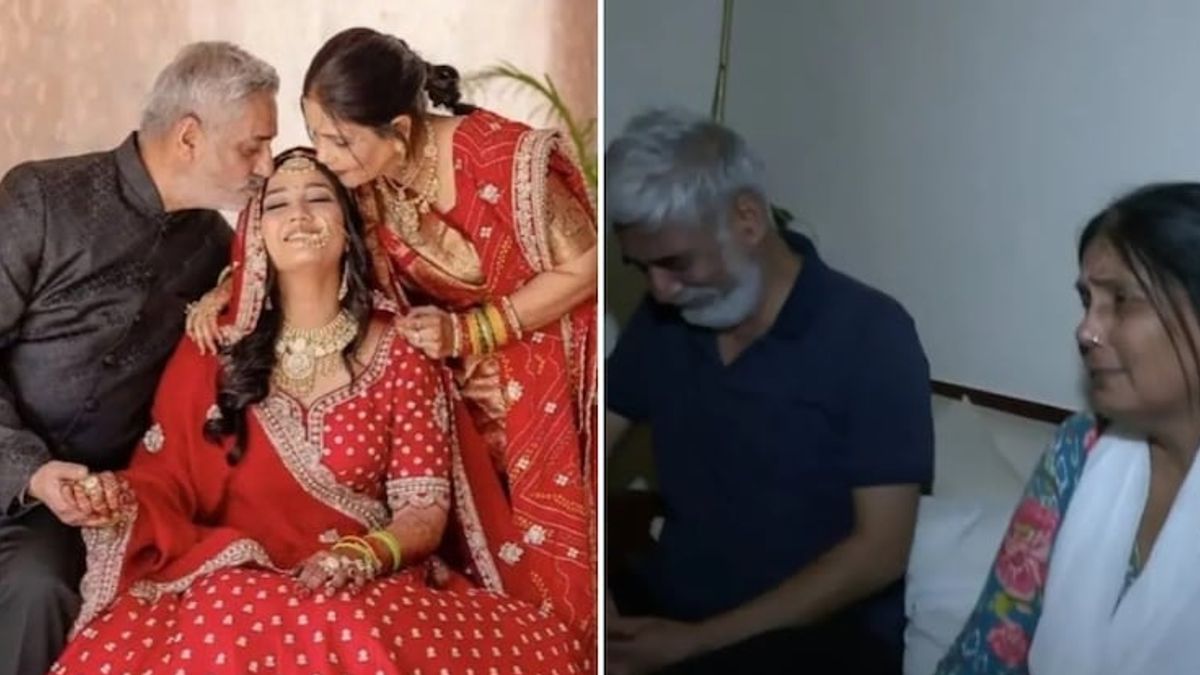
“I didn’t need a lawyer to know she was in danger,” Navnidhi Sharma told NDTV, his voice trembling. He held a photo of his daughter, her face tired but hopeful, as the tragic headline loomed. That small confession unfolded the months of silence that followed Twisha’s marriage.
Twisha met Samarth Singh on a dating app in 2024. They married a year later, December 2025, in a ceremony that the couple had marketed as a modern union. The honeymoon lasted five months. By then, the glow was fading. “She kept saying Noida mistakes us, I want back home,” she typed to her mother saying she felt stuck and unsafe. But her pleas echoed into an empty kitchen in Bhopal.
Barriers in marriages are rarely applause. Meanwhile, Twisha’s WhatsApp chats with her mother revealed a pattern of humiliation and physical abuse. Physical blows. Emotional blackmail. The in‑laws pressed for dowry demands that had no place in a supposedly modern lifestyle. “We were ridiculed for not being able to pay their demands,” her mother wrote, eyes water‑fogged.
“The wife is a bargaining chip,” recalled an unnamed community member. However, it wasn’t just property or money. Intense threats, late‑night interrogations, and the constant press of “do your duty” hammered on Twisha’s spirit. The father blamed a middle‑class mentality that “fools us into believing that every marriage must succeed.” He grumbled that obedience was demanded more than love.
But here’s the bigger picture: Indian families often hedge marriages against risk by safeguarding status through dowry. When that hope dissolves, victims feel cornered. No one warrants this. The law exists, yet enforcement lags. The media rarely steps in until a death pierces the veil.
Still, the silence around domestic abuse can drown hope. Safer homes, counseling, and swift police action might send a ripple. Yet the cultural insistence on saving a family’s name keeps many women trapped. Questions of accountability haunt jurists, clinicians, and citizens. Could stronger laws eclipse the stigma? Would more reports surface or would they stay buried?
And yet, nowhere is the silence louder than on the night Twisha fell. Will the community finally wake, or is this a grave that will be forgotten?