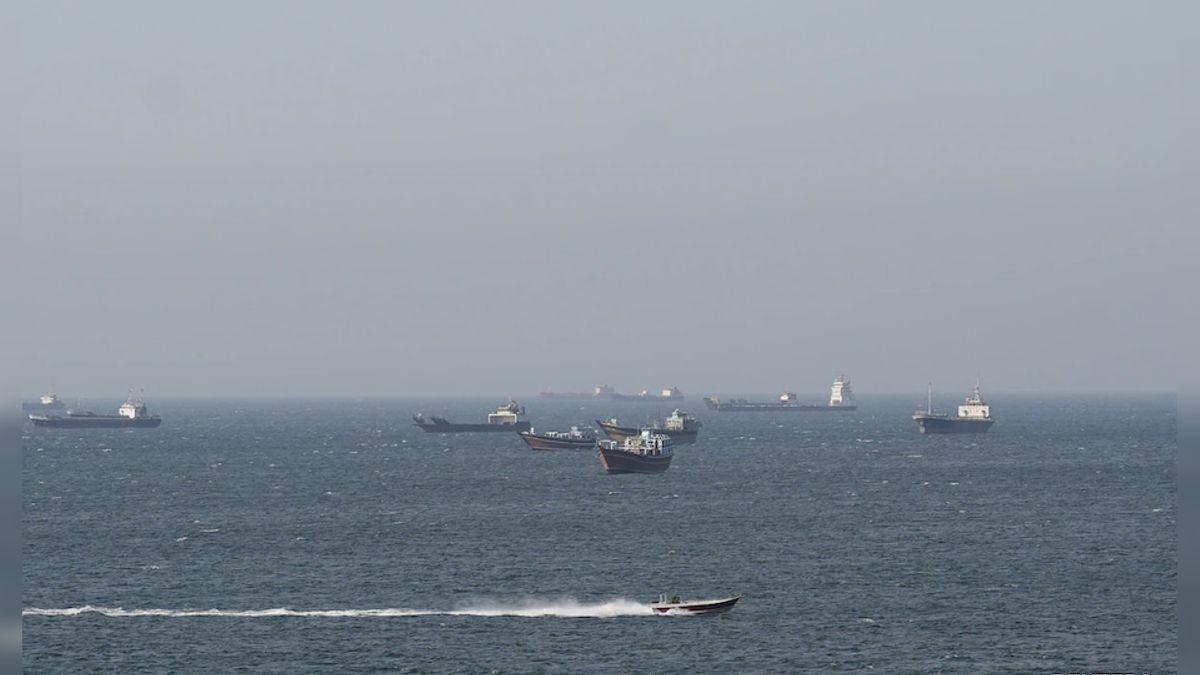
Three U.S. Navy destroyers trailed behind a cluster of Iranian-flagged cargo ships, the sharp glare of night lights cutting through the Gulf’s darkness. A warning shot split the air, and other vessels immediately altered course—an audacious display that sent ripples through global markets.
Truth is, the Strait of Hormuz—just a narrow slice of the sea that funnels around a million barrels of oil a day—has morphed from a regional concern into a flashpoint that could stop a shipping lane. Over the past weeks, skirmishes have risen in the air and the sea: U.S. jets, Israeli drones, and Iranian naval vessels all have exchanged fire near the two-mile‑wide strip. Commercial traffic, once a steady stream, now moves slower, with insurers warning that premiums could climb beyond predictable limits.
But here's the problem: the root of the tension is not the nuclear program that once dominated Middle Eastern headlines. That issue, hammered into place by the 2015 Joint Comprehensive Plan of Action, was buried under a United Nations Security Council resolution that made the deal binding. When the United States pulled out in 2018, it stripped the framework of its strength. A few years later, the U.S. and Israel launched strikes that broken international law, tightening the knot between Iran and a coalition of Gulf states bent on limiting Tehran’s reach.
Speed is the name of the game. Oil pipelines worldwide are already feeling the pressure, and even a minor uptick in transit costs can tip the scales for commodity producers across continents. Shipping lines are scrambling to find alternate routes, and governments are tightening protocols at every port that might feel the tremor. If a wave—literal or figurative—comes from the Strait, it will cascade through Asia's grain exchanges, Europe’s automotive supply chains, and America’s own gasoline shelves.
And yet, diplomatic channels remain frayed, with each side pointing fingers at the other’s banners. The United Nations’ push for a renewed accord has turned into a backdrop for squabbles over exit clauses and sanctions timing. Economists predict that a prolonged lockdown of the waterway could push oil prices into four‑digit territory while throwing off global trade at a scale rarely seen since the 1970s.
Meanwhile, the United States and its allies hold increasingly aggressive postures, while Iran signals it is ready to defend its maritime sovereignty. The price of oil is already spiking, but the real cost may be measured in the multiple countries that rely on a single, steady stream of energy and goods. The answer to the current crisis may hinge less on military might and more on who will break the circle and reinstate a shared framework for safer, predictable commerce.