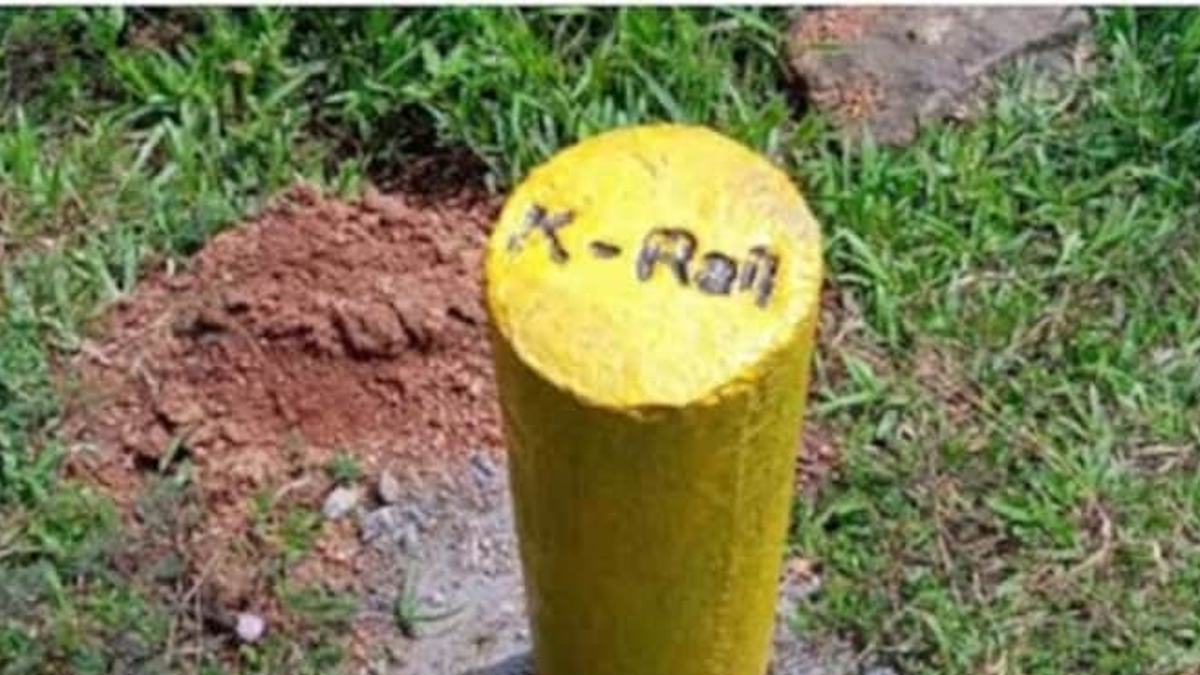
Three survey stones lay abandoned on a Kerala farm in early Tuesday morning, their polished faces staring blankly at fields that once buzzed with possibility. The state’s newly‑elected chief minister, VD Satheesan, told reporters that the cabinet had decided to scrap the controversial K‑Rail project.
It’s a simple, yet sudden, reversal. The 530‑kilometre K‑Rail—coded the SilverLine—was the flagship dream of the previously ruling Left Democratic Front. Launched in 2019, it promised a semi‑high‑speed link from Thiruvananthapuram in the south to Kasaragod in the north, weaving technology into the state’s heart. In theory, it could shave hours off a grueling bus drive and spur coastal tourism. In practice, it became a political bombshell.
Critics had dubbed it an “engine of displacement” long before the elections ended. Land‑acquisition lawsuits flared, farmers in the Kodungallur region opened protest banners, and opposition parties sniffed at the looming cost overruns. The project had courted the scrutiny of local citizens, environmental groups, and parliamentary committees—all for procedural shortcomings, not for the thrill of progress.
Satheesan’s puppet, the Revenue Department, was rattled into ripping out key stones. “All land acquisition proceedings initiated for the project are cancelled,” he said after the meeting. The government will stop spending on land, and will halt the 19‑step acquisition process that never left the legal drafts folder. The decision may also rearrange alliances: formerly loyal LDF bureaucrats now face an abrupt end to a decade‑long plan.
Truth is, the undone corridor cuts us off from a service that could have propelled Kerala into a new growth phase. The next question is: who will fill the vacuum? Private players, it seems, already frantically staked bids to supply the rail that will never spring to life. And yet, the public will still get to return to their villages unscathed, at least for now.
Meanwhile, the financial implications are unclear. Some experts argue the state should recoup costs salvaged from stalled contracts. Others say the gamble that the project never broke even will count as a minor loss next election cycle. There’s also the chilling effect on future infrastructure proposals, when parties remember the backlash of a once‑launched, unfinished vision.
Still, the K‑Rail’s abortive saga acts as a stark reminder that infrastructure piloting must live under transparent, accountable streets. A state’s ambition can be crushed as quickly as land stones can be removed.