Three trucks arrived at the Zero Point, engines sputtering, and the hum of the highway stopped. Last month, freight lorries and ambulances backed up for miles as guns and chants ripped through the air. The blockade, the latest crack in Manipur’s fragile peace, is now a concrete wall on National Highway‑2, the artery that feeds food, fuel and finance into the state.
Since the May 13 clash, the calendar has turned to violence. Six Naga civilians, two pastors among them, vanished after the ambush in the hills. Police sweep after police sweep, but the missing remain shadows on the map. The United Naga Council revives an inter‑district economic shutdown and calls the authorities “failed guardians” who can’t guarantee a return. Meanwhile, the Kuki Inpi Manipur extends its halt for two more days, demanding rescue of their people seized in Senapati. The lines between protest and siege blur as each side denies that the crisis is over.
Truth is the highway was the state’s lifeline, but now it feels more like a no‑go zone. Trucks that once carried rice, timber and emergency supplies lag behind in dead‑end queues. Market stalls in Imphal and other towns announce scarcity, while government offices scramble to deploy stretchers to a growing list of displaced families. Economic hardening shows early signs: businesses toil under a sudden lack of inventory, farmers stare at idle land, and prices inch higher. Lawmakers step into the fray, but each push for negotiation feels like a sideways walk.
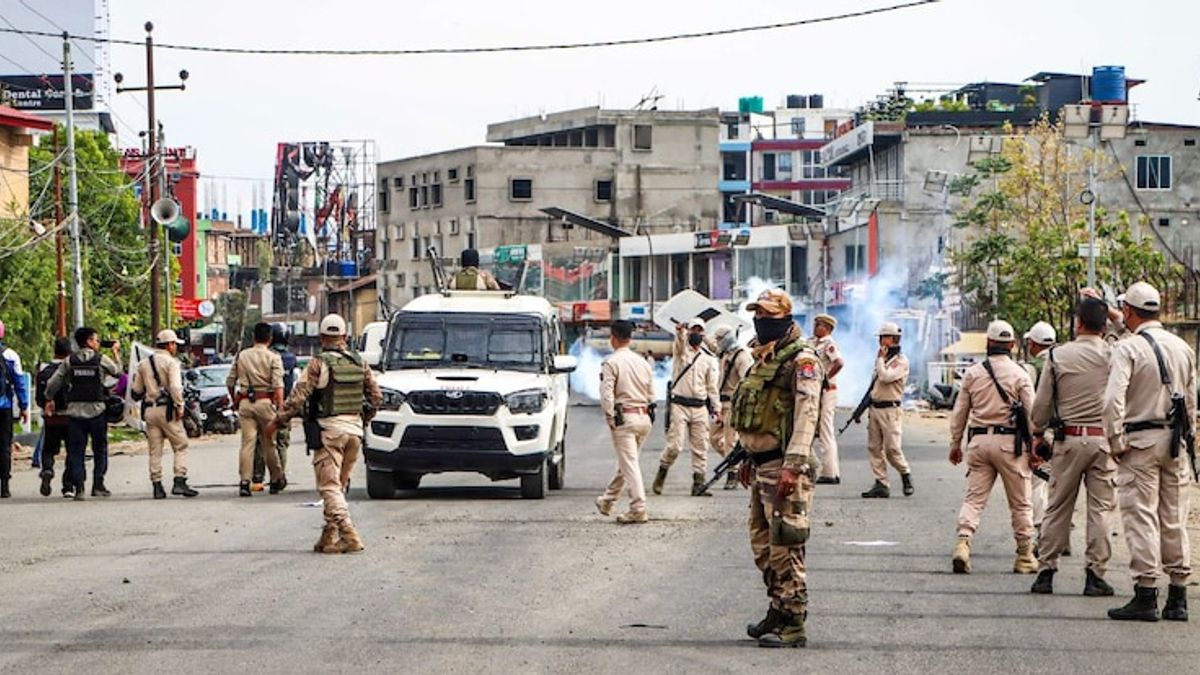
While local media flashes images of men roaming the blocks, officials hint at a “stable hit” that could erupt if hostages are not found. Meanwhile the police are ambushed on a smaller scale, and the roads see only the occasional ambulance. And yet the voices of ordinary people grow louder. A delivery driver from Senapati keeps shouting that his route will never close again. A mother in the hills swears she will never walk to the market if the highway stays blocked.
Meanwhile, experts warn that a protracted standstill could press the state into a full‑scale emergency. The government faces a tight balance: keep the roads open, but not at the cost of security. The blockades echo the region’s longstanding struggle between ethnic empowerment and central authority. Each day without NH‑2 bites into budgets and bonds, while the army scales for extra patrols.
And yet, with every angry shout and every tire mark on the tarmac, the question remains: Who will pay the price when the road that once brought hope now refuses to move forward? Will the government breathe new life into the blockade, or will the skirmishes stretch into a future of lost trade and simmering anger? The answer ripples along the stalled highway, haunting every driver, vendor, and villager who once drove past the Zero Point with a sense of routine and certainty.