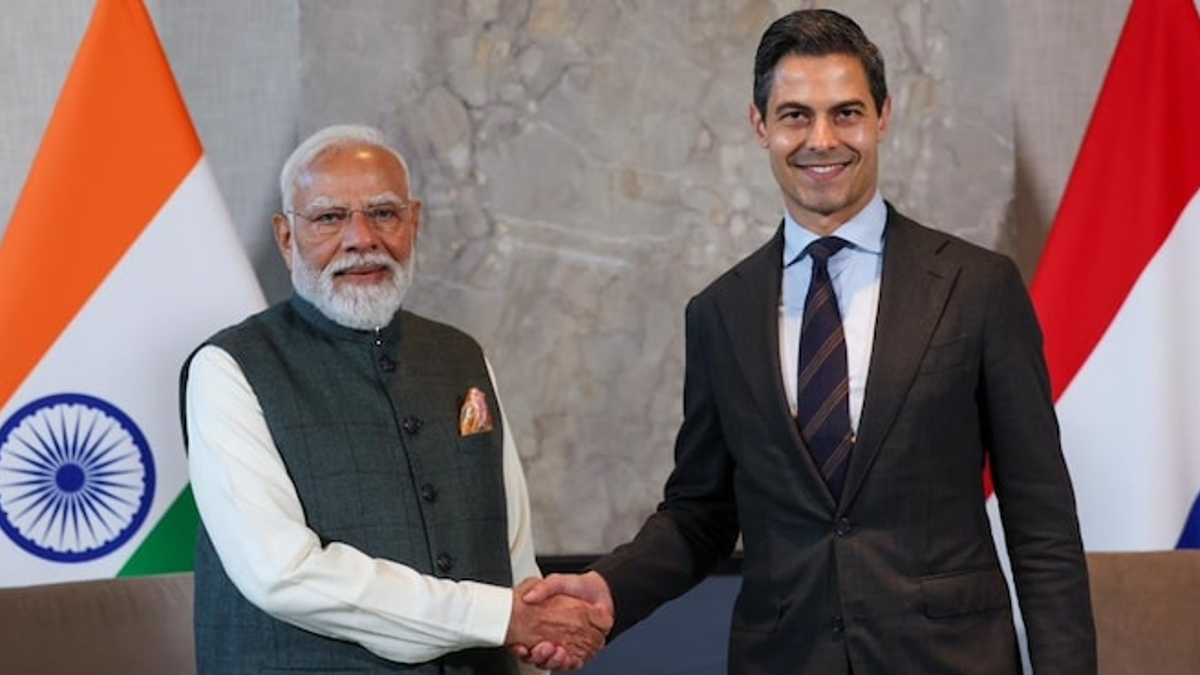
A correspondent from Dutch media pointed out that no joint press interaction had been arranged for Prime Minister Narendra Modi’s visit, and the room went quiet. “Why hasn’t the government invited the press to a briefing?” she asked, her voice echoing in a hall that had sat full for years of empty speeches. The question also pressed on a wider issue that has rattled Dutch officials for months: the state of press freedom and minority rights in India.
The timing was suspect. Royal diplomats in The Hague, led by Prime Minister Rob Jetten, arrived a day before Modi’s extended state visit, ready to discuss everything from trade deals to human rights. Jetten had openly voiced concerns about a “friction” between two democratic traditions. The loose words of a lone journalist, however, turned the spotlight onto India’s public‑relations machinery and its broader social fabric.
When the press conference opened, Ministry of External Affairs Secretary (West) Sibi George cleared the room of suspicion. He claimed that critics “often lack understanding of India’s democratic and civilisational character.” “These are questions that reveal more about the asker’s knowledge than ours,” George said, camera flashes painting his face. He continued to defend India’s image, calling the nation “vibrant” and affirming that its democratic credentials remain intact, despite international scrutiny.
Experts warn that unless both sides are willing to go beyond deflective talk, the invitation to the press might remain a polite, unfulfilled suggestion. Still, the fate of similar appointments could tilt future negotiations on trade, climate, and technology, where incremental cooperation depends on mutual respect.
Will the next Presidential visitor to The Hague discover a crowded press tent or learn that the door keeps closing on reportage? The world will watch, a silent question that hangs heavier than a headline.