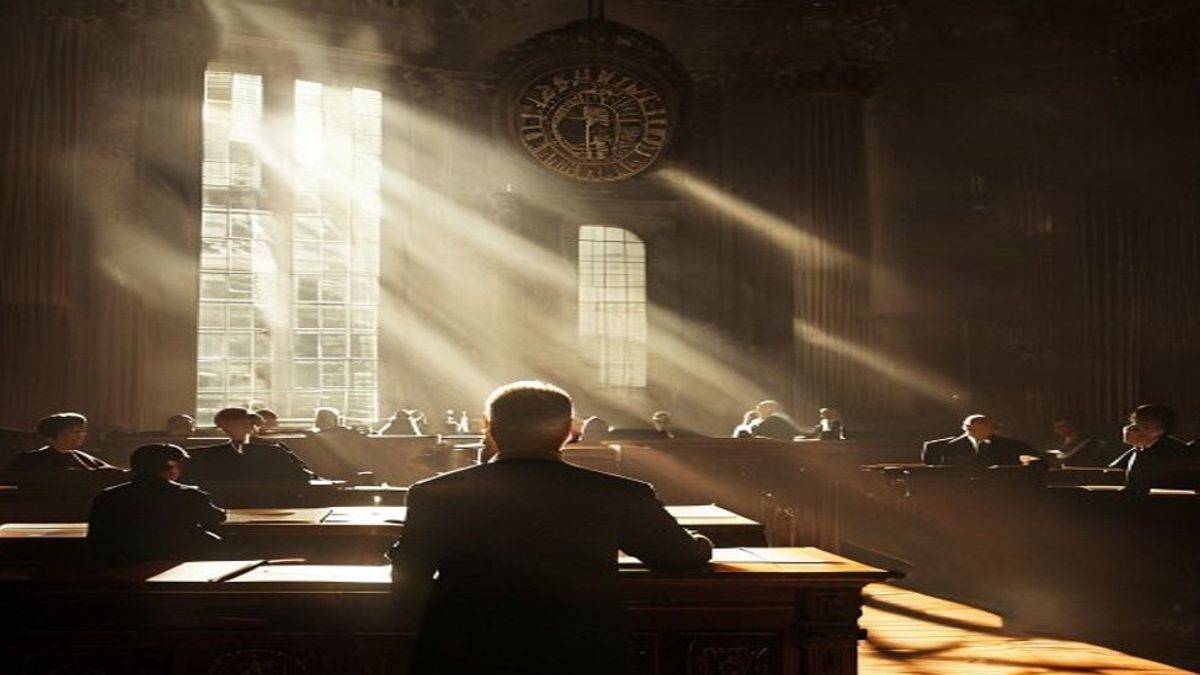
Vijayawada court rattled when the first page of the charge sheet was read aloud, listing 25 names. Among them were Addepalli Janardhana Rao, his brother Jagan Mohan Rao, and two ex‑members of the YSRCP. The paper was dense, but the focus was clear: a sprawling spurious liquor network cutting across Andhra Pradesh, Telangana, Karnataka, Kerala, and Tamil Nadu. The authorities claimed the brothers ran clandestine factories that blended rectified spirit with chemicals, dyes, and counterfeit labels, luring unsuspecting customers into local bars and wine shops.
But here's the problem. The investigation is not merely about illicit distillation; it digs into a web of political and commercial collusion. Officials allege that Jogi Ramesh, a former minister, and his brother helped secure the machinery and logistics needed to produce and distribute the fake booze. That revelation raises questions about the reach and influence of local power structures in steering sub‑prime markets. If a former minister can court a counterfeit network, what does that say about the sanctity of public office?
What’s more, the operation’s span across five states means that a single regulatory body cannot guarantee compliance. Each jurisdiction had to coordinate its own enforcement, yet the same batches made their way through differing licensing systems. And yet, the charade continued for months, penetrating bars that pride themselves on authenticity. The final detail—chemical additives in the spirit—signals potential health risks for patrons who might unknowingly consume tainted alcohol.
The financial losses are staggering. Taxes, supposedly channeled through licensed suppliers, were dodged game after game. The gamblers and retail partners who buy the counterfeit bottles also lose credibility. In light of this, excise departments are already tightening oversight, considering swift penalties, and demanding traceability for each batch of alcohol. Public confidence is at stake once more; will people feel safe venturing to their favorite drinking spots?
Meanwhile, the legal process is slow. The charge sheet, though thorough, is just the tip of a complex judicial undertaking. Lawyers are preparing defense strategies, while investigators gather more evidence. The courtroom drama is far from over, and the public keeps watching with a wary eye on the next deposition or verdict. The implications stretch beyond the courtroom: the industry, policy, and public perception all stand to shift, depending on how forcefully the law is wielded.
Truth is, this investigation is a wake‑up call for a porous regulatory system that allows ripple effects to reach every community. Secrets have an aura of glamour, but the damage remains very real. Will the looming weight of stiff fines and public scrutiny finally crack the façade of the fake liquor racket? The question lingers as the next chapter opens in the legal arena.