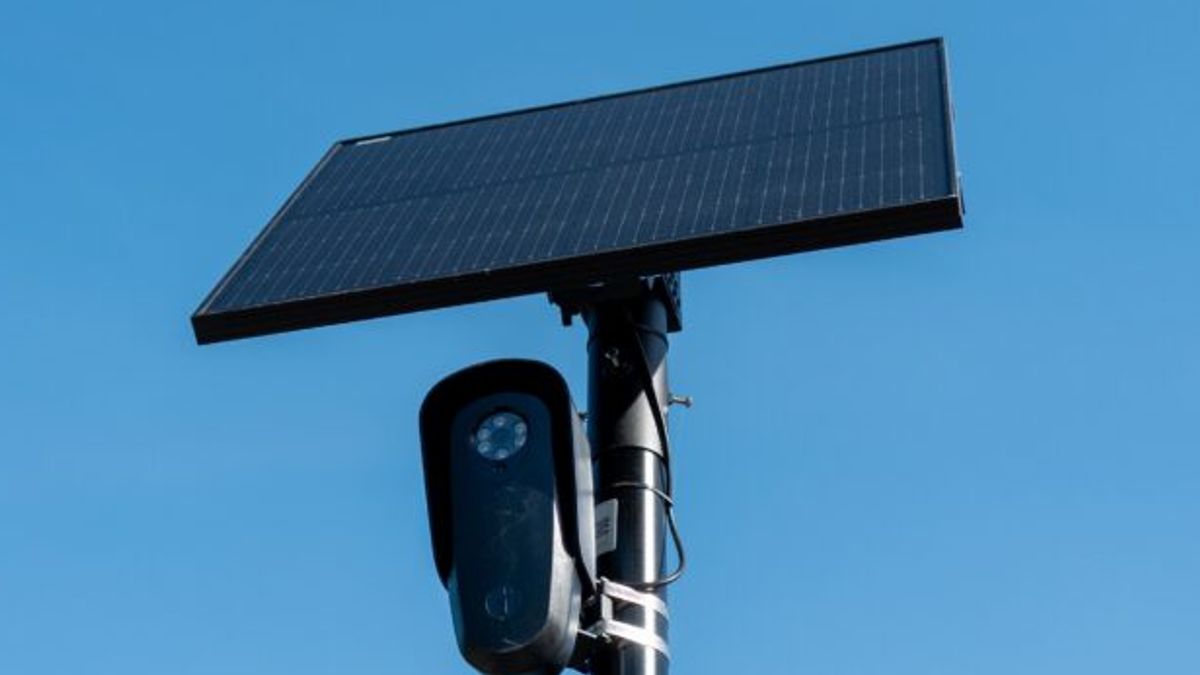
Security cameras scrolled past the grain‑stained gravel of Interstate 40, Kansas, when a 2023 Chevy Silverado appeared, license plate 7R‑EMV‑8. In the FBI’s cramped operations room, agents pressed a button and watched the vehicle’s inscription glide through a stream of city feeds. That single moment carried more weight than a midnight raid: the bureau now intends to cobble together a nation‑wide trove of plate‑reading data, paying private firms to keep it humming.
License‑plate readers have dotted urban landscapes since the early 2010s, pairing cheap cameras with deep‑learning software to log plate numbers and turn them into searchable serials. City police departments use the data for inventory checks and theft investigations; several states now store the feeds in state‑wide databases. The FBI’s existing pockets of LPR access sit under a limited umbrella, useful mainly for large‑scale investigations or for tracking high‑risk vehicles.
What’s new? On Tuesday, FBI spokesperson Chris Mason announced that the agency will grant funds to several vendors who already plug camera streams into commercial LPR hubs. “We’re building a system that can see a vehicle's trail across the country in minutes,” Mason said. The bureau’s contract adds a layer of speed: instead of waiting for a feed to upload, analysts could scrub the data as it arrives.
Why would a federal agency go this far? The answer lies in the gravity of modern criminal enterprises. Smuggling rings, gang fronts, and smuggling operations rely on stolen cars as liquid assets and transit ways. By having live motion from coast to coast, investigators hope to disrupt those networks before a stolen sedan leaves the Midwest, for example. The intelligence‑driven approach could cut the time between a crime and arrest from weeks to hours.
But the push for speed brings a storm of friction. Privacy advocates flag the proliferation of cameras, noting that many are still under construction or operate in private neighborhoods. The Supreme Court’s precedents on surveillance remain a boiling point; critics warn that such a system could blur the line between lawful policing and habitual spying.
Civil‑liberties groups are aligning themselves with tech watchdogs, arguing that public cameras are not a free-for‑all sandbox. “We’re at a point where the volume of data could outpace the courts’ ability to regulate how it’s used,” says Alex Nguyen of the Digital Rights Alliance. If the federal government can harness feeds in real‑time, the same mechanism could be repurposed for anything from traffic violations to waypoint-based profiling.
Meanwhile, technology vendors chase a lucrative contract and already boast 200 million plates captured per day across the country. They explain that the investment in faster downloads merely improves their own