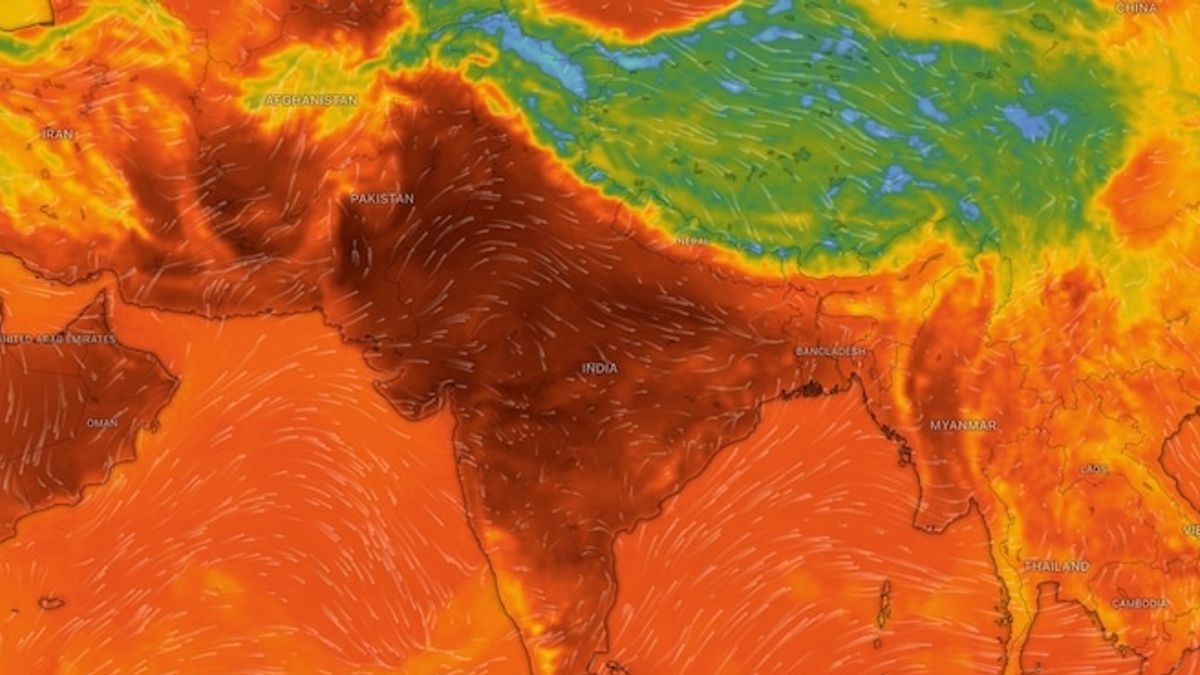
Heat spiked to 45 °C in Delhi’s downtown on Monday, leaving residents scrambling for shade. The numbers were stamped on the city’s temperature grid that afternoon, sparking alarm among officials and city dwellers alike.
But here's the problem: the India Meteorological Department (IMD) has called the rise a serious heatwave, warning that the scalding spread could grow over the next four to five days. And the forecast shows no respite on the horizon.
In February, Delhi's average temperatures hovered around the mid‑30s. Now, a blistering 45 °C is a stark pivot from that norm. The grid also shows Nagpur grinding out 46 °C, while isolated pockets across central India noted near‑48 °C extremes. Those figures slice across the heartland where the dry continental air thrives.
IMD has slapped a heatwave warning on a massive swath: east Rajasthan, its adjoining central states, and parts of Uttar Pradesh, Haryana, Punjab, eastern Gujarat, and even selective Maharashtra regions. The warning expands beyond Delhi, signalling that the inland plains are all on the same over‑heated deck.
Truth is, rain has stayed stubbornly absent. No widespread thunderstorm activity, no cloud cover. The sun keeps beating down relentlessly, turning land surfaces into solar ovens. When the sunshine stays unchecked, temperatures pump up sharply, and the Indo‑Gangetic plains feel the heat most acutely.
For people, this translates into brutal mornings and evenings. Mr. Kaushik, a vendor on Patel Road, mentioned barely enough shade for customers to lean on before the heat broke. Workers in construction face a 50‑degree clock on next Thursday, per the latest advisory. The healthcare system is on standby for heat‑related ailments, and schools have unofficially postponed outdoor activities.
And yet, with the forecast set, the question lingers: How will the city’s infrastructure, already stretched thin, cope when the next heatwave pushes grid temperatures even higher?