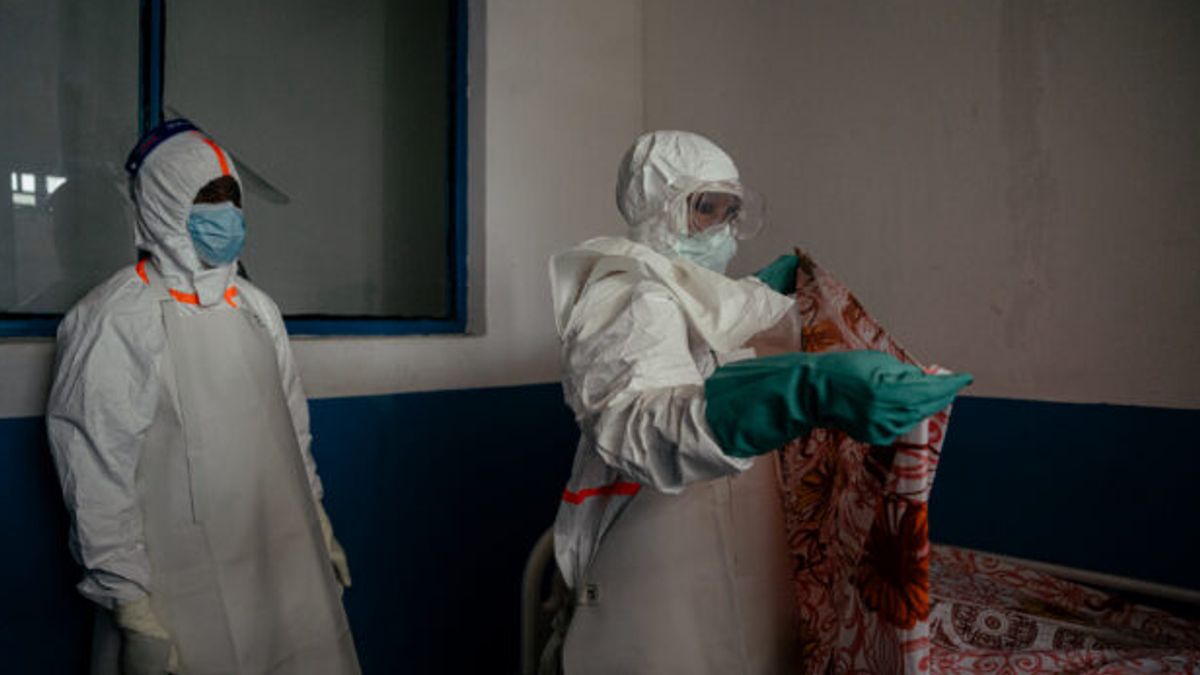
Peter Aaby’s name rings in labs across the globe, but Christine Stabell Benn had quietly followed his lead for years. Their joint projects began in the early 2000s, deploying live‑attenuated measles and oral polio vaccines in African communities to test life‑saving strategies. Results were striking: lower infant mortality, fewer hospital visits, and surprisingly, a dip in unrelated death rates. Those who stared at the data called it controversial.
Their work challenged two pillars of modern vaccinology: the presumed safety of routine childhood shots and the assumption that vaccine coverage shouldn't be tied to disease exposure levels. Critics argued that the studies mixed correlation and causation, pointing to potential confounders such as local healthcare improvements. Others praised the bold attempt to re‑evaluate long‑held beliefs. Still, the debate rarely reached mainstream policy circles—until the Trump admin named RFK Jr. as a health policy figurehead.
RFK Jr. carries a reputation as a vocal skeptic of vaccine mandates. He has long highlighted cases where he believes vaccines may cause more harm than good, a stance that unsettles the biomedical establishment. Yet, in 2024 he crafted a new agenda: a rebalanced view of vaccination protocols, insisting that policy should adapt to new evidence. In his speeches, he cited Aaby’s African trials as an example of the type of research that “carries weight” and deserves national attention.
In the wake of RFK Jr.’s appointment, colleagues who once brushed the controversy aside find themselves forced to confront it. Data analysts note spikes in citation requests; conference panels buzz with discussions that had flown under the radar. Institutes that funded vaccine virology programs now request briefing material on the Danish duo’s findings. The vacuum left by allies who dodged the studies is growing.
What does this shift mean for public health? On one hand, it invites a broader evaluation of vaccine fields that were previously taken for granted. On the other, it risks rekindling old fears if the findings are misapplied or overstated. Policymakers will have to decide how much weight to give research that ran outside orthodox peer review practices, especially when it calls into question bullet‑proof safety claims that shape immunization schedules worldwide.