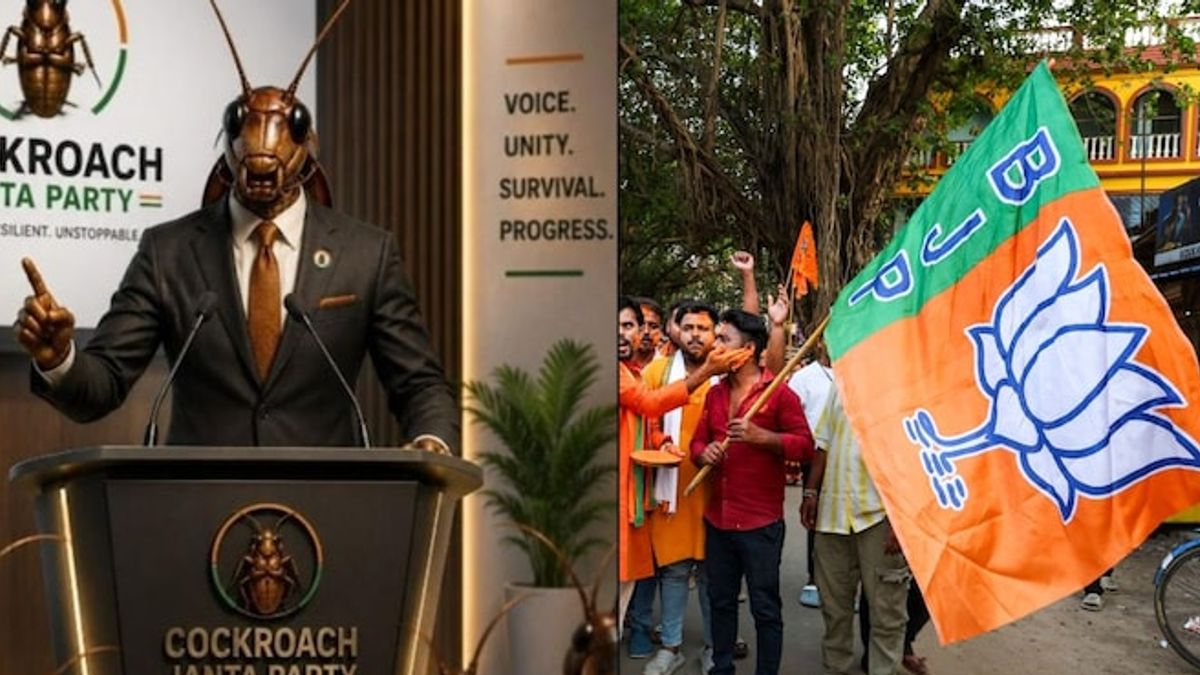
First post: cockroach in suit. A single image, a line from the Chief Justice of India about unemployment, and a satirical tagline. The visual landed on a thread titled “Unemployed and Furious.” From a late‑night dash, it became the spark that lit up the digital field.
Zapped into a reel the next dawn, the same account shook the feed with a sarcastic piece on “official optimism” amid headlines that paint the middle class in a rosy light. The hashtag trended on the same day, and comments flooded in like a meme‑storm. People weren’t just laughing; they were rallying. Each new post seemed to pull another wave of followers, and the cycle kept pending until Thursday, when the official tally hit 10 million.
10 million hits, where? The number cleared the BJP’s Instagram band with 8.7 million followers. The Congress still sits ahead at 13.2 million, while the Aam Aadmi Party trails at roughly 1.9 million.
That surge speaks to the weight of a country that has spent decades building every bite of its political power. Yet it also proves that a meme, a punchline, and a ready‑made audience can reach the same numbers in less time than a campaign sweep. Youth, who are the most active on Instagram, found a voice that matched their frustration: a cockroach that refuses to be ignored.
Truth is, the BJP still has a platform to defend its image, but it’s now sharing a space with a movement that’s made an instant takeover. The party’s presence on the feed has not vanished—it’s simply challenged by a movement that runs on irony and viral elegance.
What does it mean for future elections? If satire stays at the fore, parties will face a dilemma: can they let a meme voice act as a proxy for discontent, or will they clamp down? Will the next manifesto include a line about “the cockroach that can walk anywhere”? In a nation where silence can sell agendas, the question looms larger than ever.