Three months after her infusion, the patient’s CD4 count spiked, and her viral load dipped below the detectable limit. “It feels like a breakthrough,” Dr. Torres whispered to her clinic’s nurse. The moment was a tiny spark in a study that packed 12 people seeking a fresh angle on a stubborn infection. The researchers took a technique that has crushed targets in aggressive leukemias and repurposed it to attack the very cells that hide the virus.
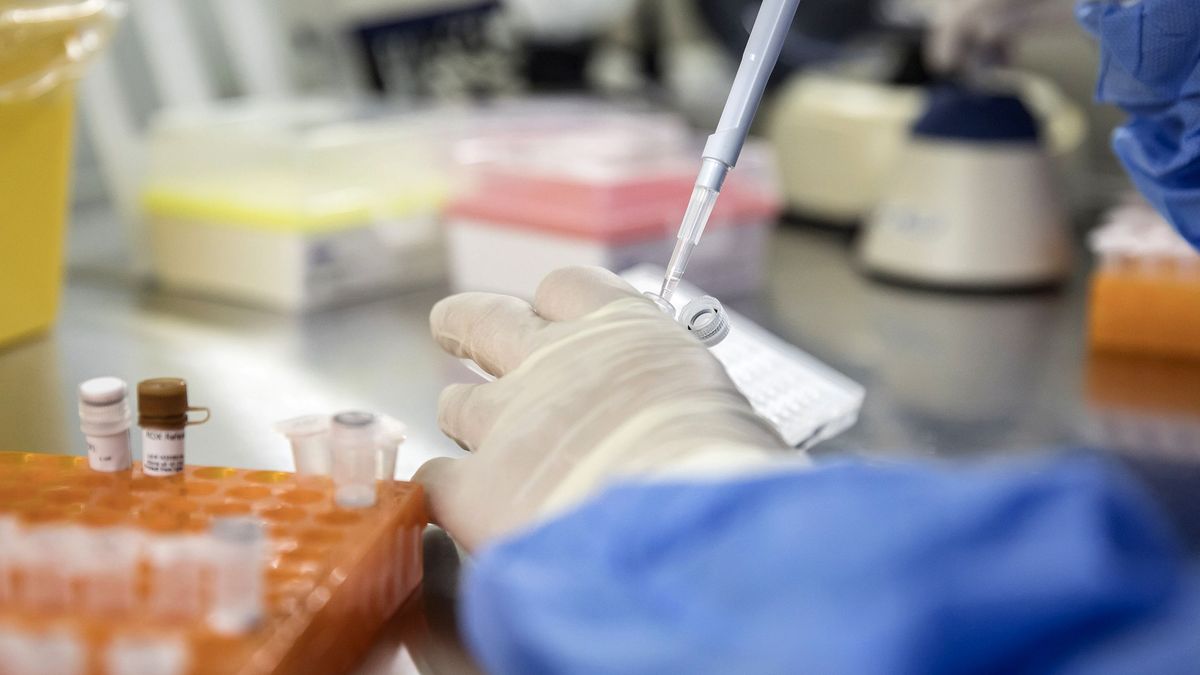
In the lab, the doctors tweaked one of the patient’s own T cells, equipping it with a chimera that recognizes a surface protein the HIV virus uses to dodge immunity. “We hand‑pick a weapon and tell it to hunt the bad guys,” explained Dr. Torres. When the edited cells return to the body, they act like intelligent drones, seeking out infected white cells that act as underground bunkers for the virus. Because the virus can tuck itself into memory cells, the immune system never gets to finish the job—yet the new CAR‑T therapy showed it can unearth those silent pockets.
Historically, people on antiretroviral drugs lower HIV levels dramatically, but the medication never erases the virus. Every time treatment stops, the infection resets. “If we could eradicate the reservoirs, treatment would no longer be a daily chore,” said Dr. Torres. The 12 subjects in the trial are still in follow‑up, and doctors warn the results are a signpost, not a full map. Yet the numbers are striking: one patient had no detectable virus for nearly a year after therapy, a period not seen in routine treatment.
The science rests on a battle between speed and precision. CAR‑T cells multiply quickly, but the therapy risks provoking overactive immune reactions—a danger that has been seen in cancer patients. In the HIV study, researchers closely monitored the patients for “cytokine storms,” and all cases resolved with standard anti‑inflammatory drugs. The team also tweaked the cell dose, finding lower counts reduced side effects without losing viral suppression. Still, scaling from a dozen patients to the millions living with HIV will demand more trials.
Broader questions ripple outward. Can these engineered cells coexist in people whose immune systems are already suppressed? How cheap and accessible will it become when production methods mature? And if enough people clear their reservoirs, could a single infusion offer a curative hope for millions? The answers remain in the laboratory. But the raw data push the needle toward a future where HIV is no longer a daily pill but a remnant that fades away.