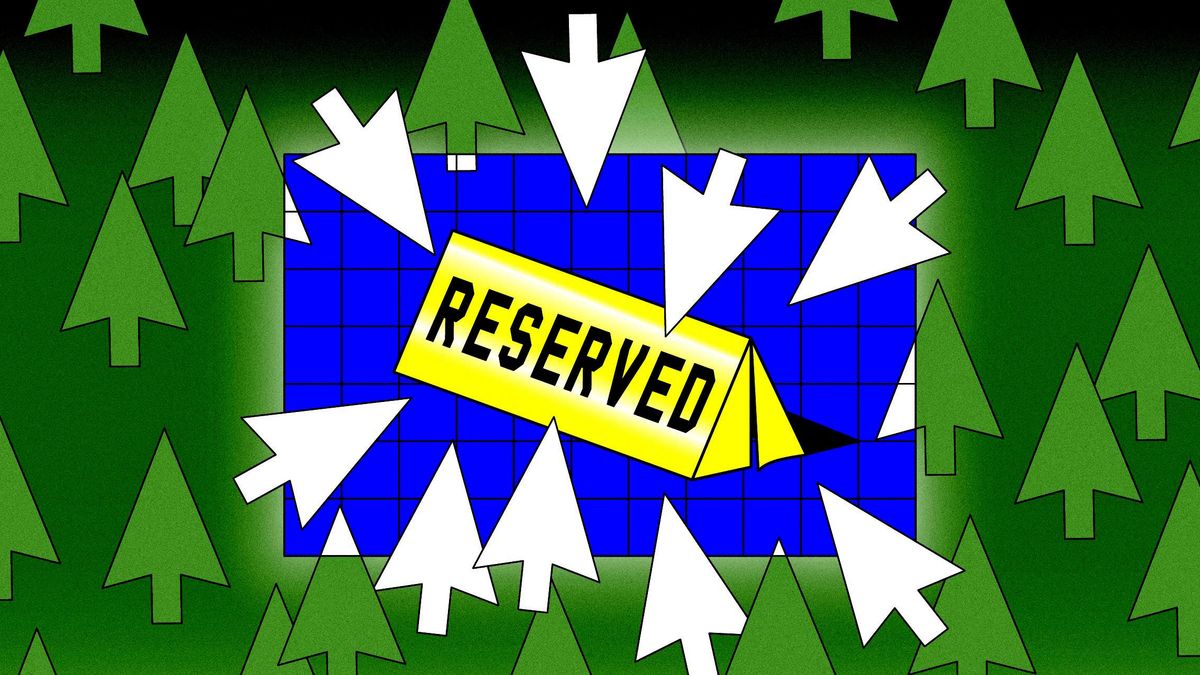
When a backpacker from Colorado typed his username into the new reservation engine, the screen went blue and a “system error” flashed. That single glitch shouldn't have mattered, but it illustrated a deeper flaw. The federal portal, built to streamline bookings for every ranger station and national park, was designed to level the playing field. Instead, it now feels like a playground for bots and a wolf‑pack favoring until its paying contractor.
Recreation.gov was launched under the headline “Equal Access for All.” The idea seemed logical: a single website that lets people roam the country’s public lands with one click. But the logic broke after launch. Hikers couldn't secure spots because automated scripts filled up vacancies before anyone did. Meanwhile, the creators—an unseen contractor—were paid a hefty fee that critics claim was tied to the service’s failure to prevent bot access. The government’s own budget shows the top bid still sits in quotes with no distinct explanation of how the money will be spent on improving the system.
Truth is, most users suffered the same fate. Long‑time campers and new visitors alike found that the concessions offered during peak season were reserved for a handful of high‑traffic accounts that ran bots. In real parks, this equated to actual townspeople and families losing out on reservations. The contractor’s contract, which locked in payments regardless of uptime or user satisfaction, blocked any incentive for hostiles to fix the problem.
Meanwhile, the Department of the Interior quietly maintained that it was open to updates. Yet no concrete roll‑outs promise a fairer algorithm. The site’s own support centre, called “our top priority,” never resolved the most basic issue: how to prevent non‑human traffic from monopolizing limited slots. That’s a problem that could have been avoided in simple code, yet still bars even the most patient child from a national trail.
But the real question lies in the numbers. If a contractor sits on a lucrative contract while the public is shunted to bots, the program’s purpose crumbles. The idea was to give locals a chance; instead, it gave a tech firm a profit. The system has been criticized for being a “black box” that offered no transparency about the weightings or the metrics used. Speculation grew about whether the glitches were intentional or costly oversights. The answer remains as uncertain, hinting that a bigger audit might be overdue.
And yet, the goal of fair access fades with each late‑night log‑on error. The people who truly need the land—those with small budgets, limited time, and no access to high‑speed internet—are left in the dark. After the first failure, a vast number of potential reservations flew by, while the contractor’s pocket bulged. A software call to rectify the mess proves more symbolic than practical.
So when the first line of code rolled on, daylight fell over the national reserve. The questions that linger: Will federal oversight finally halt the bot frenzy? Can the government withdraw incentive payments from contractors for floundering services? And just who holds the key to a fair reservation system when public lands should mirror the ideals of equitable opportunity?